“‘ html. In recent years, on the internet gambling establishments have risen in popularity across the globe, and Germany is...

Yoga is helpful in bringing your mind and soul together. People believe that there is a disconnect between your physical and spiritual bodies and that this is due to a lack of physical activity. If you eat an unhealthy diet on a regular basis, it will have an impact on your health. If you want to learn about the various types of meditation, you should start with hatha yoga. It’s a type of meditation that you’ll do with the help of your breathing. It will assist you in relaxing not only your body but also your thoughts and breathing. If...
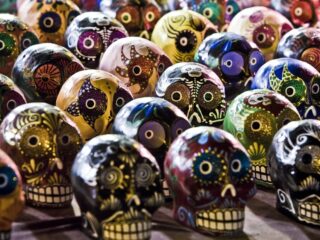
While Halloween is observed on October 31, Día de Los Muertos is observed on November 2. Many of the communities that celebrate Dia de los Muertos also celebrate Halloween. The “Day of the Dead” is a tradition that started in ancient Mesoamerica, which is now Mexico and northern Central America. There, native peoples like the Aztecs, Mayas, and Toltecs held special holidays to remember their dead loved ones. Depending on whether the deceased was an adult or a kid, specific months were set aside for commemorating them. With the arrival of the Spanish, this way of remembering the dead became...

Take a look around you. Perhaps you come across a chair. This is a real chair that exists in both time and space. Yet, before it became a reality, it was only a thought. In reality, everything in the room started off as a notion in someone’s head. Your thoughts—your thoughts about what is feasible and what is not—have shaped who you are today and the reality you have created. Your spirituality, your purpose—who you consider yourself to be—and your beliefs and values all impact your ideas. Every day, a person is believed to have about 60,000 thoughts. That’s more...

Tequila is a spirit with a long history dating back to the Aztecs. The agave plant, from which tequila is manufactured, is said to be a gift from the gods. According to one legend, it was the offspring of an ill-fated love between Quetzalcoatl and Mayahuel, also known as the goddess of agave. A representative of the Tequila Regulatory Council (CRT), which is in charge of regulating and marketing Mexico’s most well-known whiskey, provides the narrative in this story. In fact, as is common with legends, there are several versions of the story; this is only one of them. The...

The Herb of Remembrance and Friendship The majority of us associate rosemary with its fragrant scent. Its green, piney branches can give off an herbaceous scent just by touching them. Since ancient times, rosemary has been hailed for its health benefits and is a common ingredient in many cooking dishes. Greek, Roman, Egyptian, and Hebrew societies have long valued rosemary because of its benefits for memory, digestion, and pain relief. Rosemary has played a significant role in spiritual activities for a very long time. It has also been utilized throughout history to ward off bad spirits and nightmares. It has...