
When people picture the symbol of medicine, they often imagine a staff with snakes wrapped around it. However, it’s important...

When people picture the symbol of medicine, they often imagine a staff with snakes wrapped around it. However, it’s important...
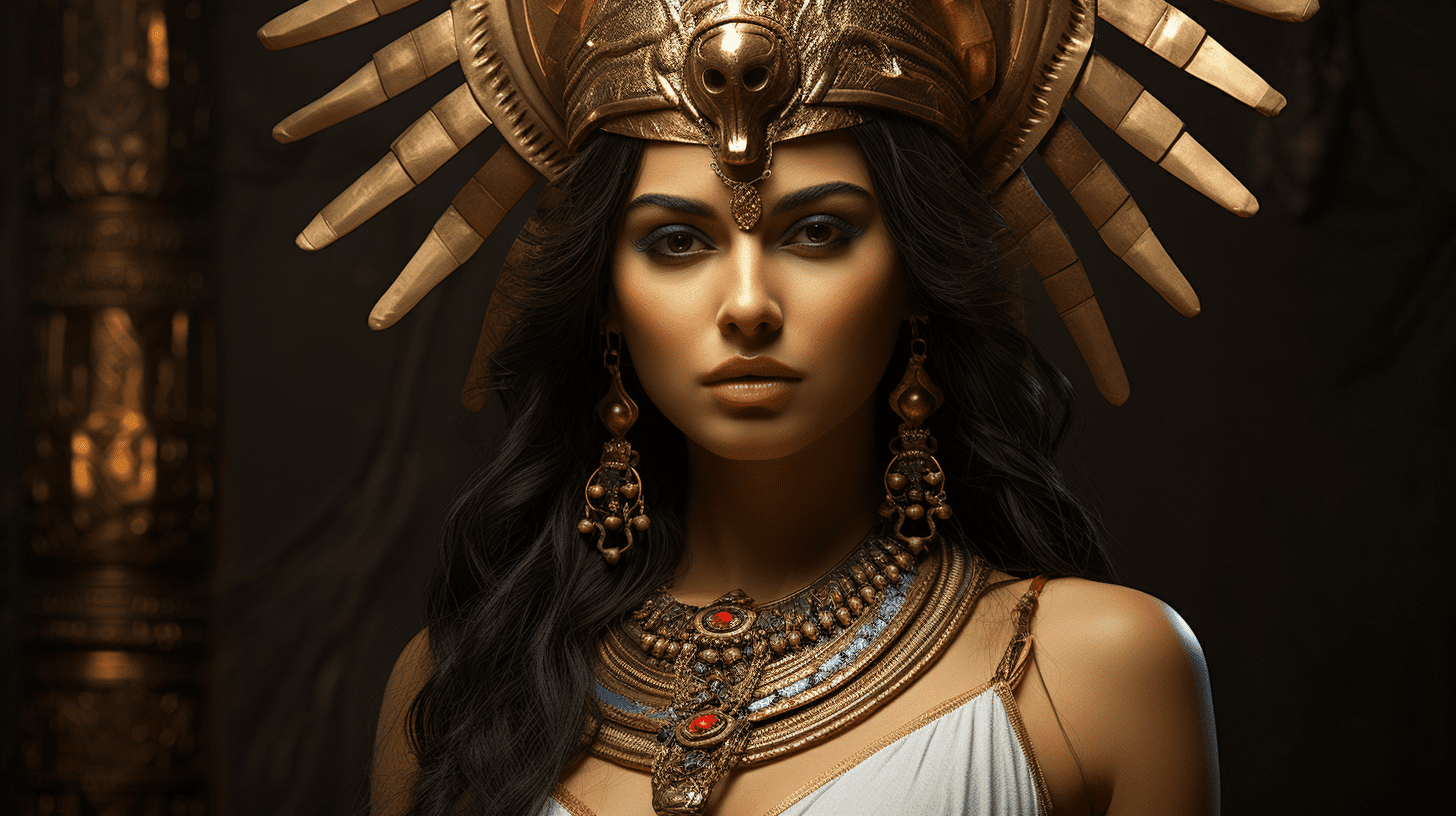
Inanna, also known as Ishtar, was the ancient Sumerian goddess of love, fertility, and war....
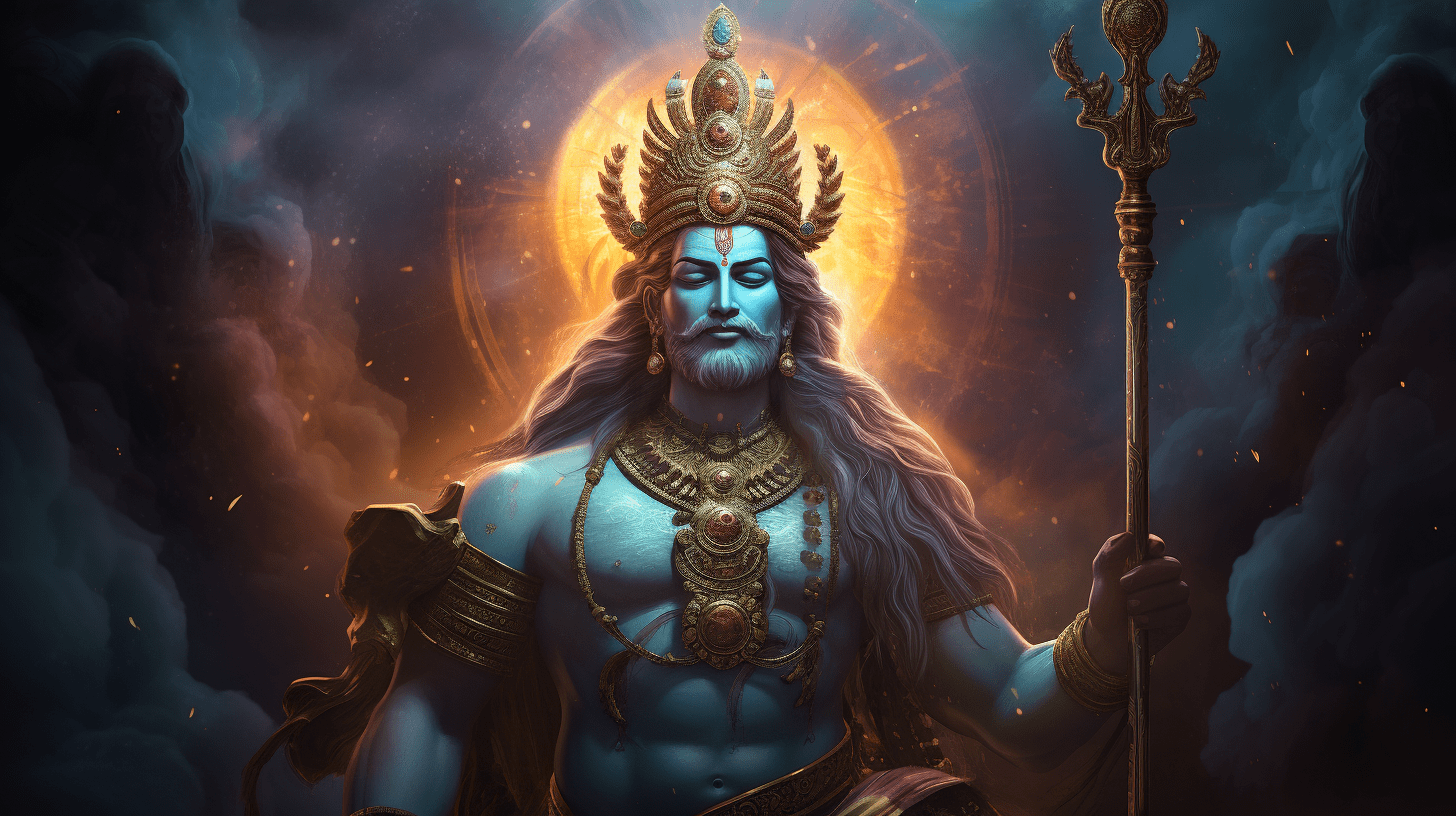
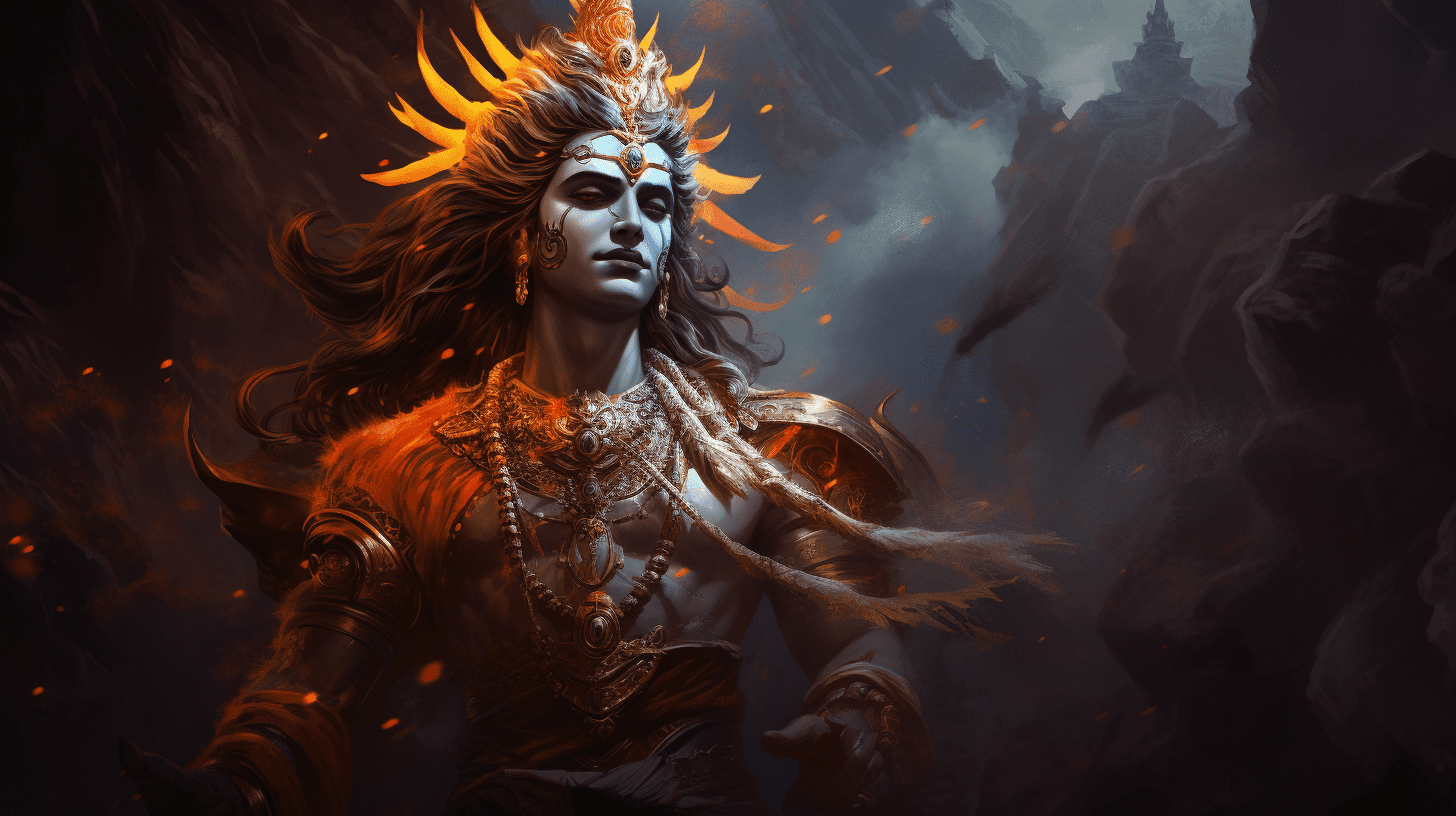
The God of Creation Lord Brahma is one of the most important deities in Hinduism...

Quetzalcoatl is a deity in Mesoamerican mythology, revered by many cultures in the region, including...
Everyone has a dark side. Consider all the things we dislike about ourselves. We have numerous bad habits, actions, and attitudes that we have been told are not nice. It is typically suppressed, not recognized, or accepted. We don’t want to admit it exists. Instead, we’d rather say we don’t have these problems and hide the bad part. Here’s the catch: What you deny owns you, while what you accept restores your power. If you deny it, what you resist will continue. The irony is that the entire composition contains both dark and light elements. We have night and day,...
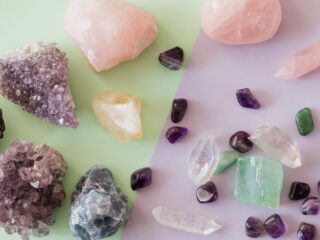
Once you’ve chosen the crystals you want to work with, it’s a good idea to learn about how to utilize and care for them. You don’t have to do much to use the power of your crystal; just having it on your person is enough to activate and tune it to your energy. You can also use them in more particular and specialized ways. Here are a few ideas for how you can put your stones to use: Cleansing and Recharging Crystal connection and ownership include keeping your crystal cleansed and energized. Crystals do a lot of energy work, and...

Many people around the world, particularly in Northern Europe, celebrate Yule. It is a time of great significance in the pagan calendar, marking the winter solstice. The festival is often associated with the Norse god Odin, and it has a rich mythological and spiritual history that dates back thousands of years. The origins of Yule can be traced back to ancient Germanic and Norse traditions, where it was celebrated as a time of feasting, drinking, and honoring the spirits of the land. The festival was seen as a way to welcome the return of the sun after the long, dark...
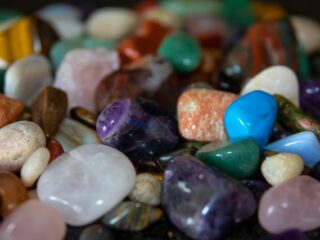
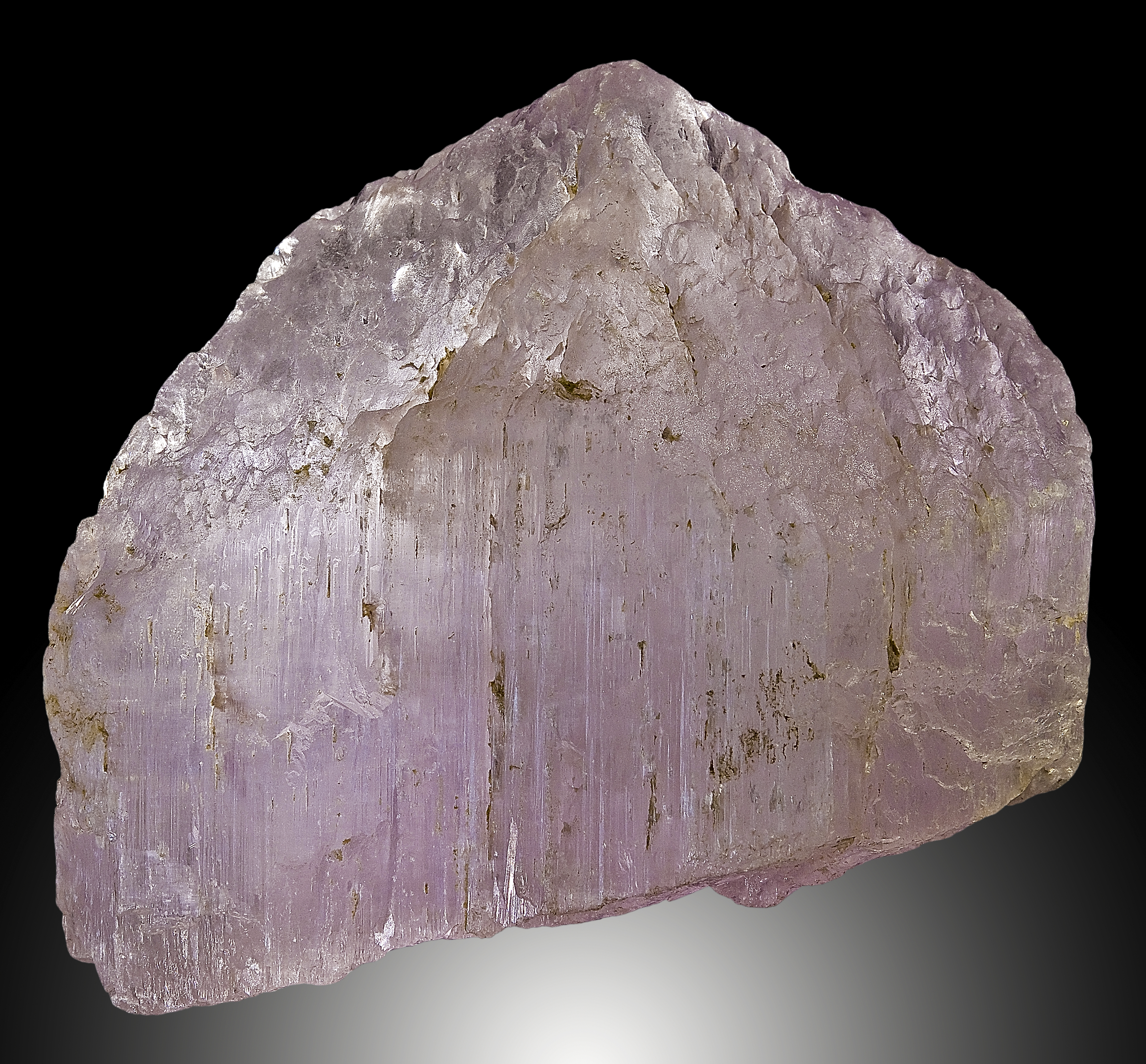
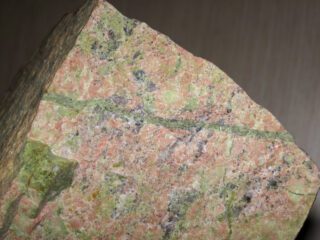
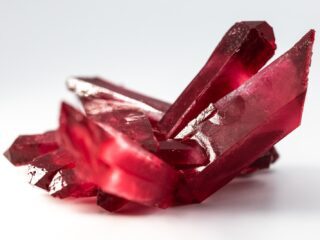
Although not all that glitters in life is made of gold, who wouldn’t want these magnificent minerals on their skin, jewelry, or clothes when they simply spell amazing? The terms “crystals” and “gemstones” are sometimes used interchangeably, but in this article, we’ll take a closer look at these expensive minerals, explore their origins, and discuss the myths that have developed around their use over time. What Distinguishes Crystals from Gemstones? They claim that a crystal can be identified since it is transparent; however, what about diamonds? Diamonds are transparent, making it difficult to distinguish between them. Although the majority of...
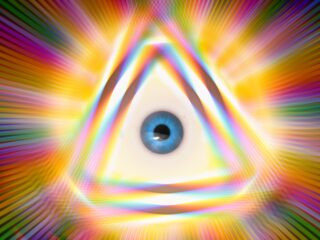
Aura reading involves a lot of color analysis. On the other hand, density, light, and shape are constraints that prevent non-physical energy from mixing with the human body. Do you notice any locations where the colors are faded or have holes? Accept your gut instinct. Black This color is hard to understand. When one’s aura is black, nothing is wrong. Black typically indicates that someone is protecting themselves from outside influences. This can also imply that someone is out of balance, concealing something, or harboring a secret. If an adult has not dealt with early trauma, they will carry the...