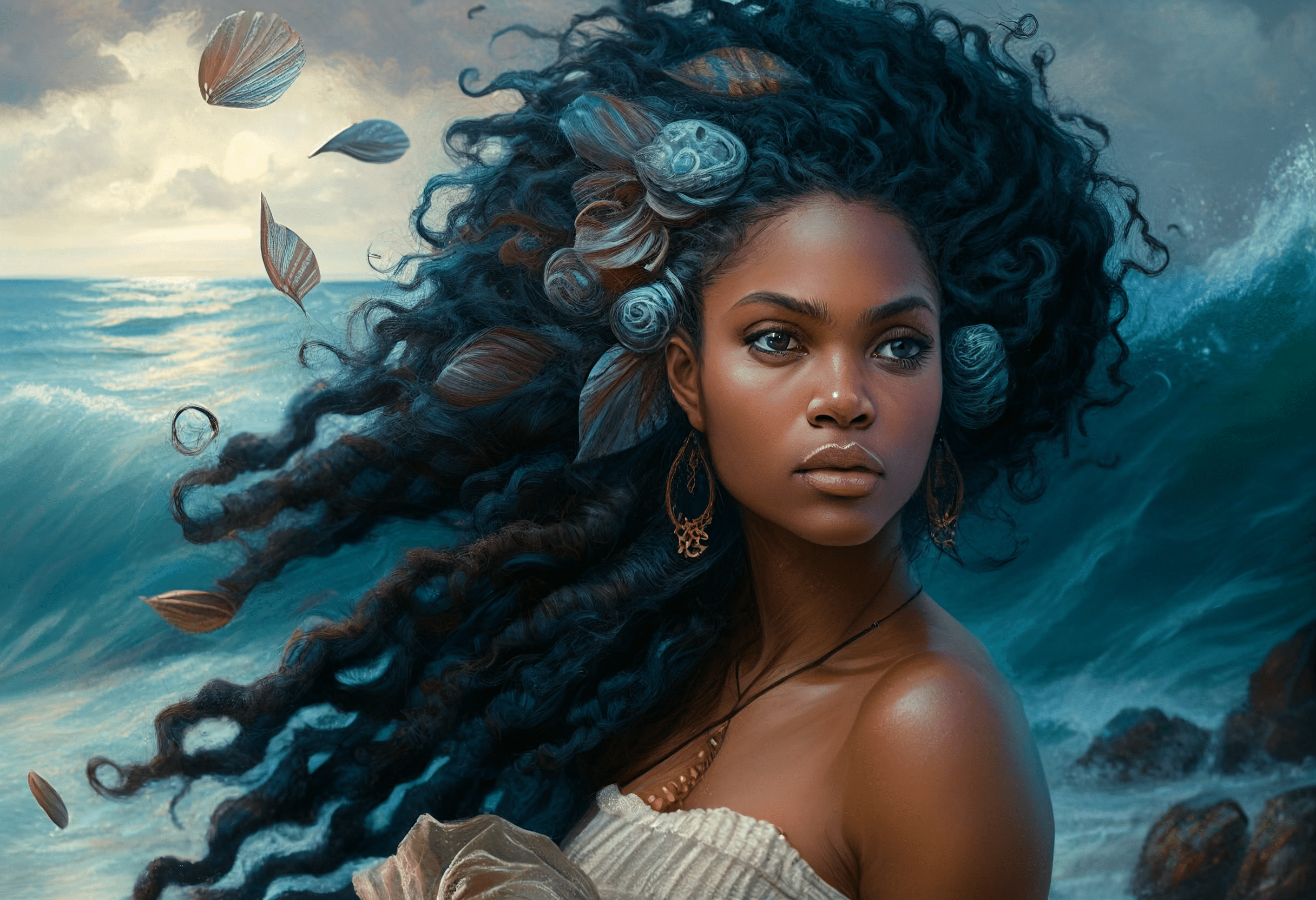
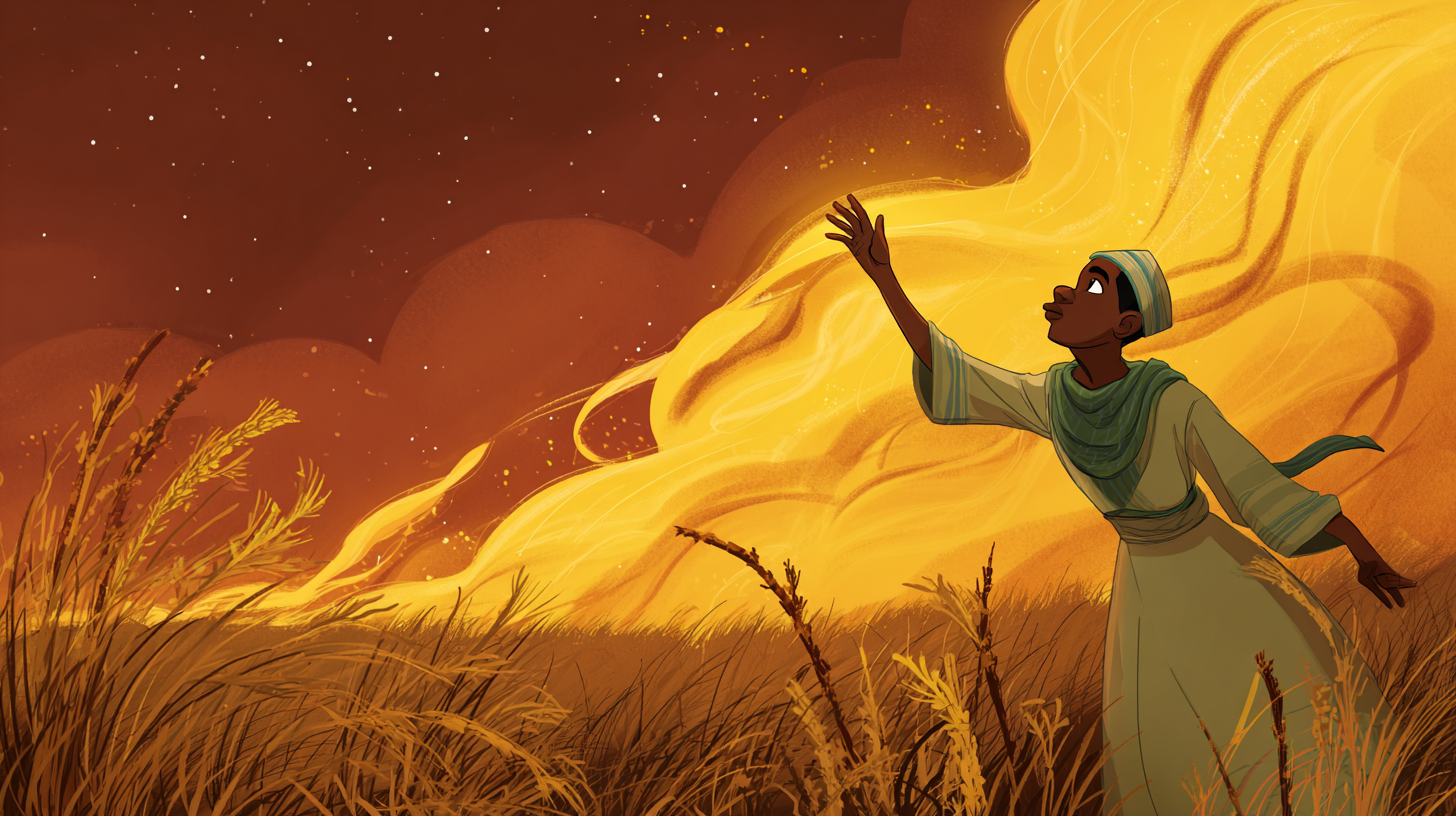
A Nigerian Folktale of Abundance, Greed, and the Cost of Wastefulness Long ago—before the first iron was forged in the...
A Nigerian Folktale of Abundance, Greed, and the Cost of Wastefulness Long ago—before the first iron was forged in the...
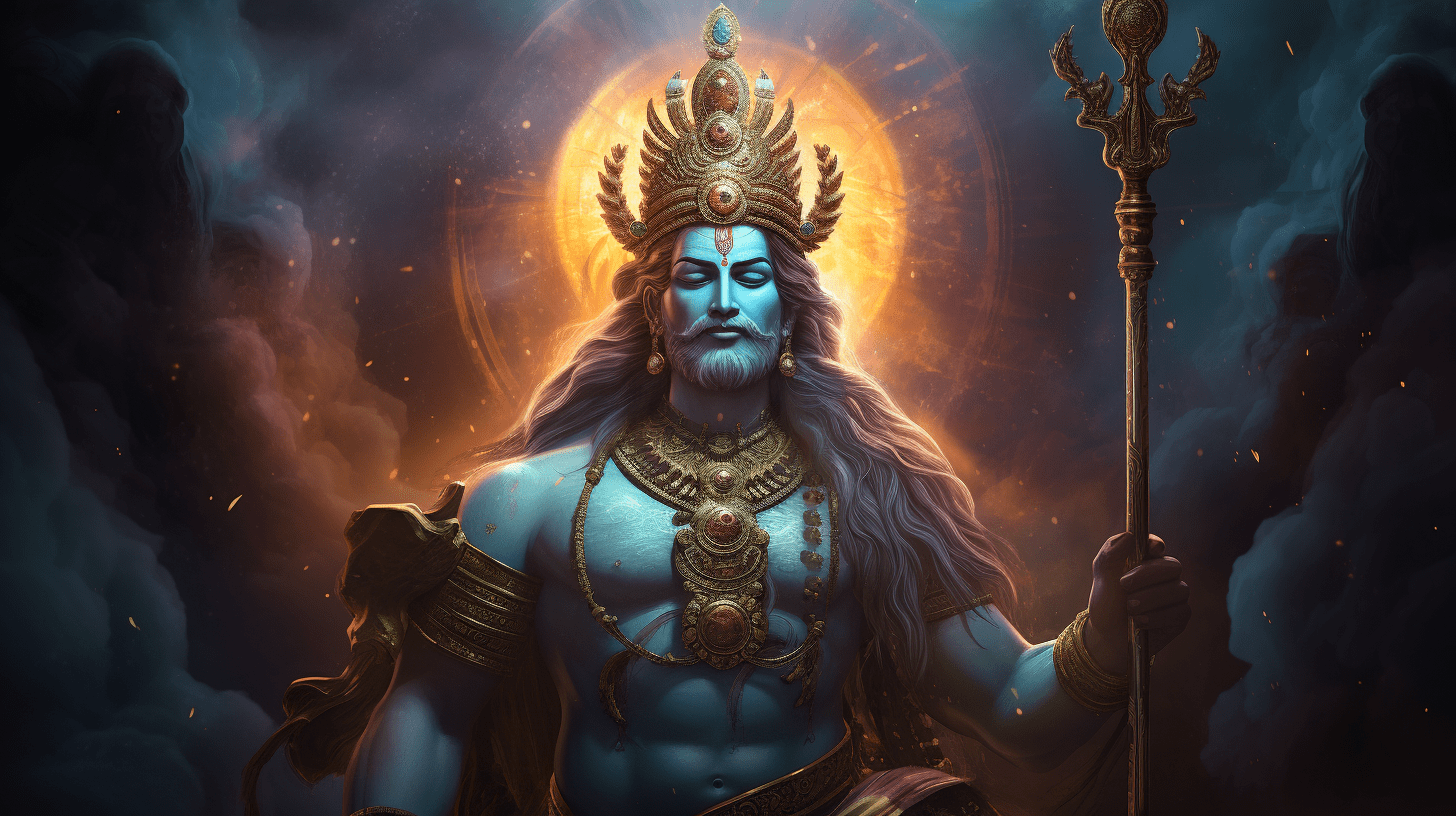
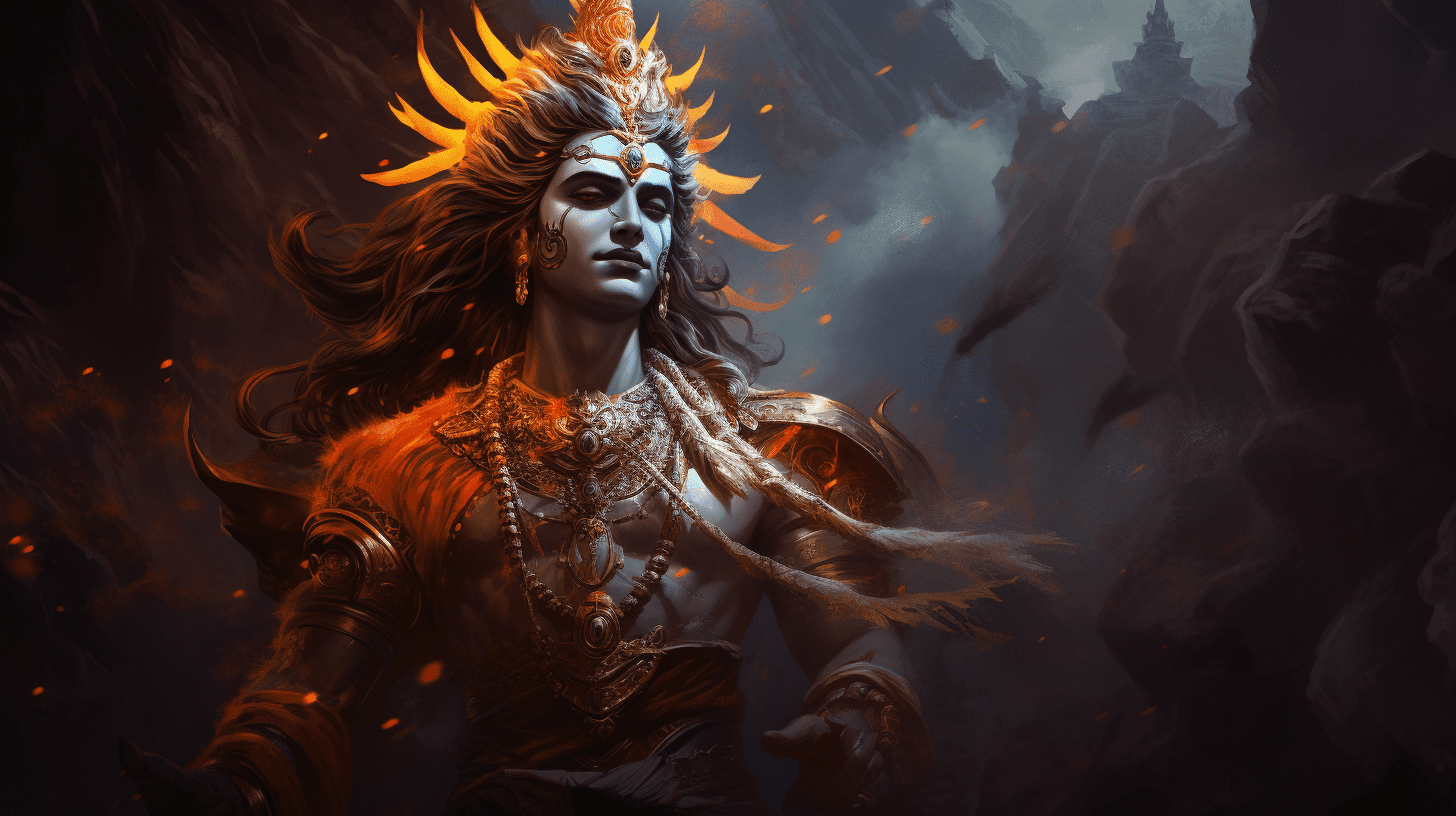
The God of Creation Lord Brahma is one of the most important deities in Hinduism...
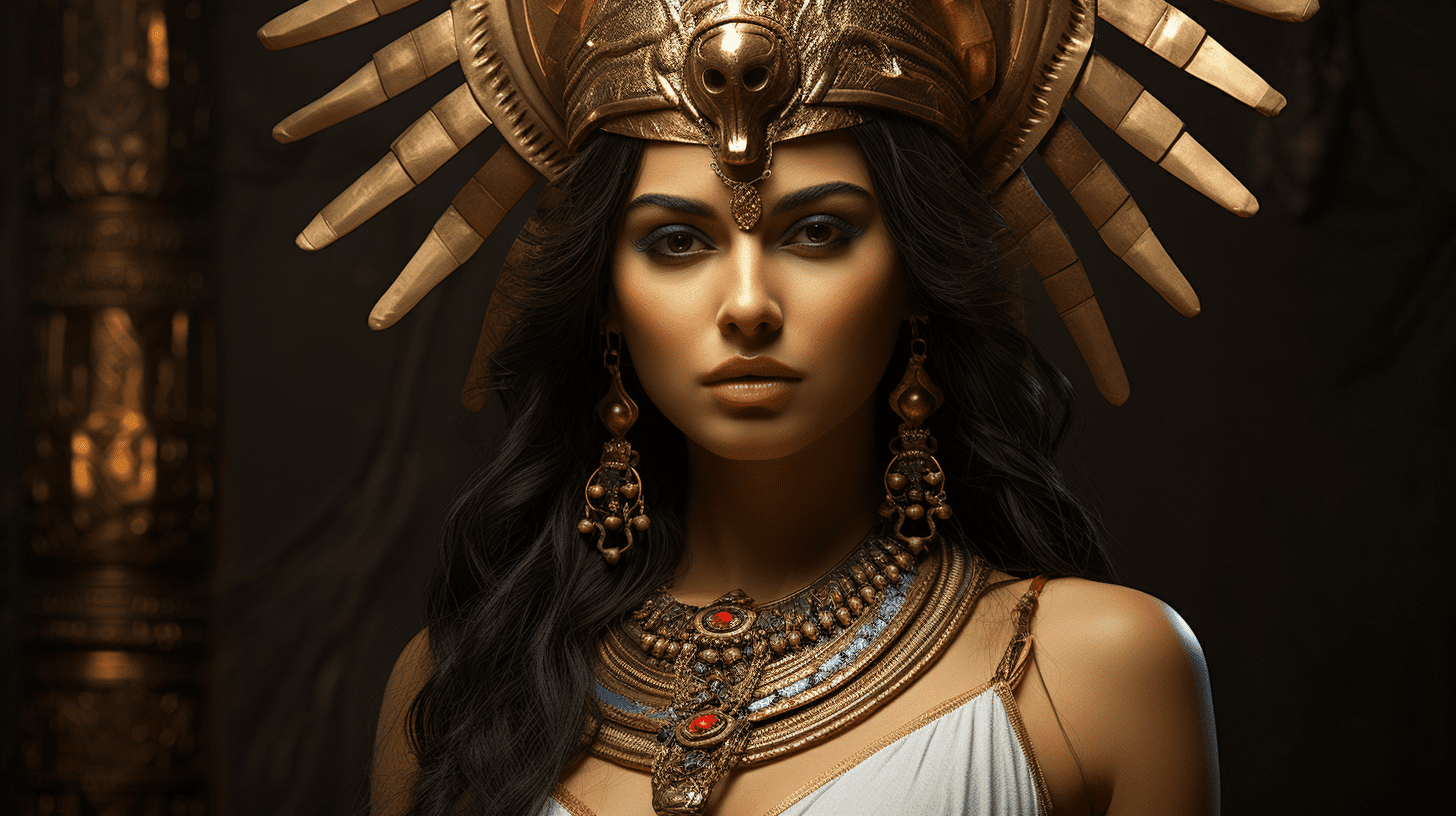
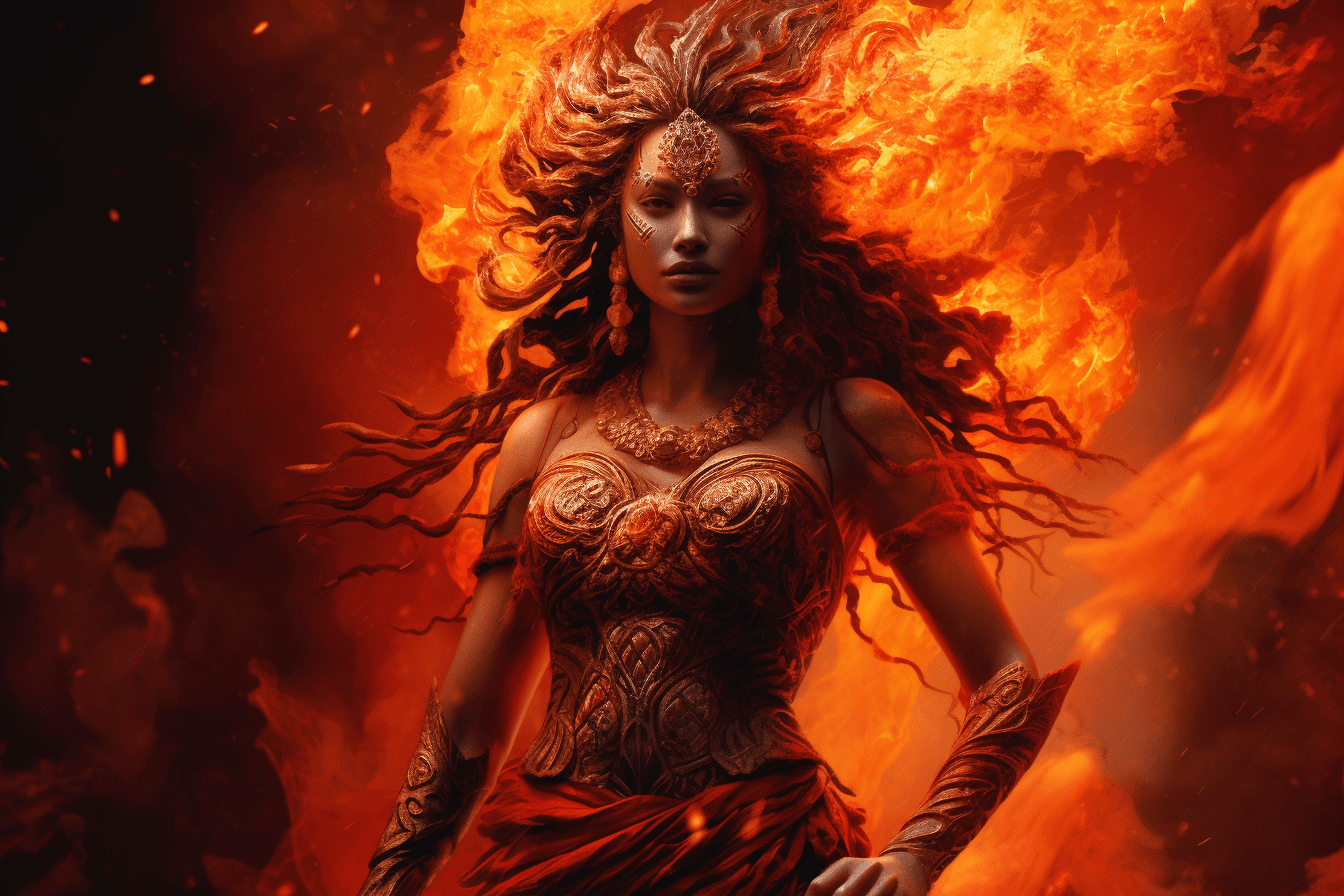
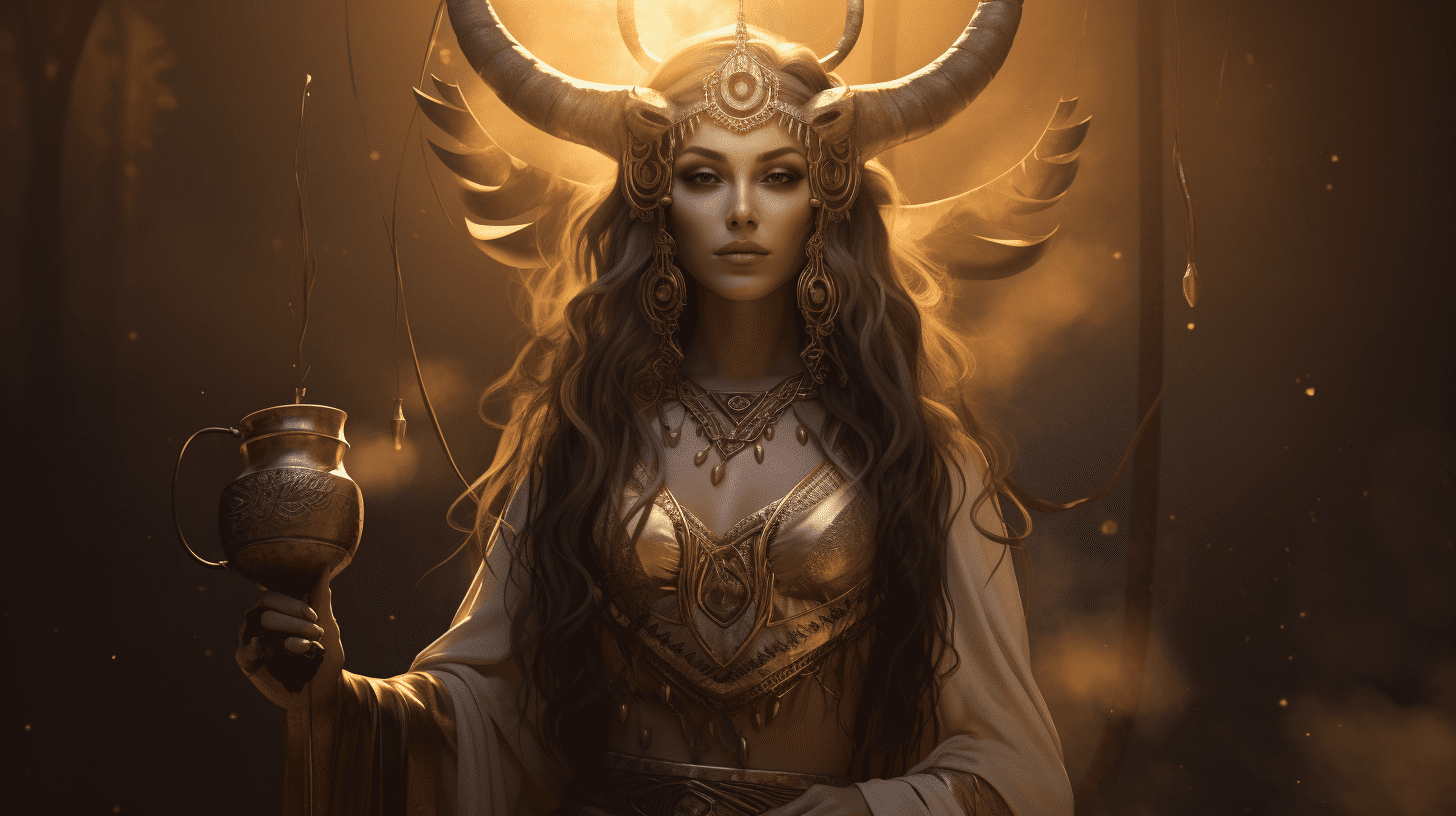
Inanna, also known as Ishtar, was the ancient Sumerian goddess of love, fertility, and war....
Even when you feel entirely alone, there are divine companions who are always by your side. They accompany you throughout your lifetime, from the moment you take your first breath until you die. Spirit guides are highly evolved beings that have completed the cycle of birth and death on the physical plane and are now acting as instructors and guides to help others raise their vibrations even higher. They are just as “real” as you are; they simply vibrate at a different frequency and exist on a different plane of existence. They use your dreams and intuition to help you...
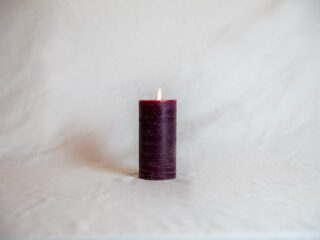
Until a connection is made, your belief, desire, and attention will be put to work to affect your fate and bring romantic prospects to you one at a time. First, cast your magickal circle around your altar after preparing your external sacred place. In the first hour following dusk on a Thursday during a waxing moon: A purple candle should be lit and set in front of a bowl of water. Hold a mirror up to the candle, the water, and finally your face. Look into your own eyes. Concentrate on your attractiveness, likability, and desirability. Again, hold the mirror...
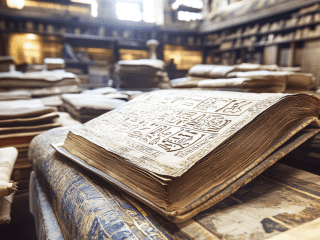
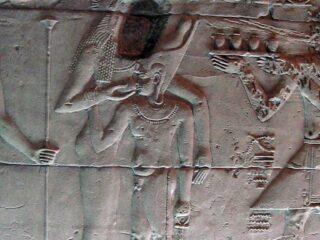
Ancient Egypt, a civilization known for its monumental architecture and profound mysticism, has always captivated the imagination of people around the world. Among its most enigmatic and intriguing artifacts is the “Book of the Dead,” a collection of texts that served as a guide for the deceased in their journey through the afterlife. This ancient manuscript, filled with spells, hymns, and rituals, was believed to assist souls in navigating the perilous path to eternity and securing a place in the divine realm of Osiris. In this blog post, we will explore the origins, structure, and significance of the Egyptian Book...
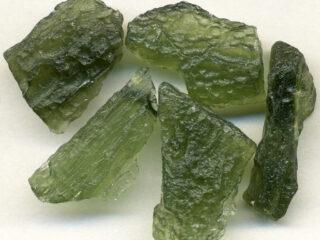
Moldavite is without a doubt a stone of magnificence, etherically sculpted of spiritual fire and meant for a purpose. Nature’s dramatic meteoric contact with Mother Earth created this enigmatic green talisman. Moldavite, etched by force and heat as it fell from heaven, came to the earth’s surface altered, a glass of incredible delicacy and elegance ready to serve humanity. Moldavite, as a Stone of Connectivity, carries a powerful frequency, a combination of earthly and otherworldly energies that are felt swiftly, and often dramatically, in people who resonate with its power. When holding Moldavite for the first time, a sense of...
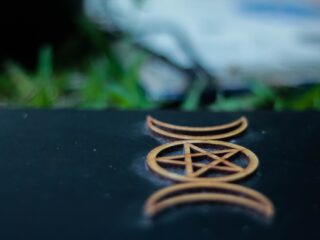
Wicca’s or The Craft’s origins are complicated, although traditional Wicca is rooted in so-called “British Mystery Traditions,” such as those of the Picts, who existed before the advent of Celtic consciousness, the Celts, and some Celtic Druidism. Wicca predates Christianity by about 28,000 years. A variety of archaeological finds show that Wicca’s history can be traced back to Paleolithic peoples who worshiped a Hunter God and a Fertility Goddess. Cave paintings from roughly 30,000 years ago portray a guy with a stag’s head and a pregnant lady standing in a circle with eleven other people. Modern American Wicca comes from...