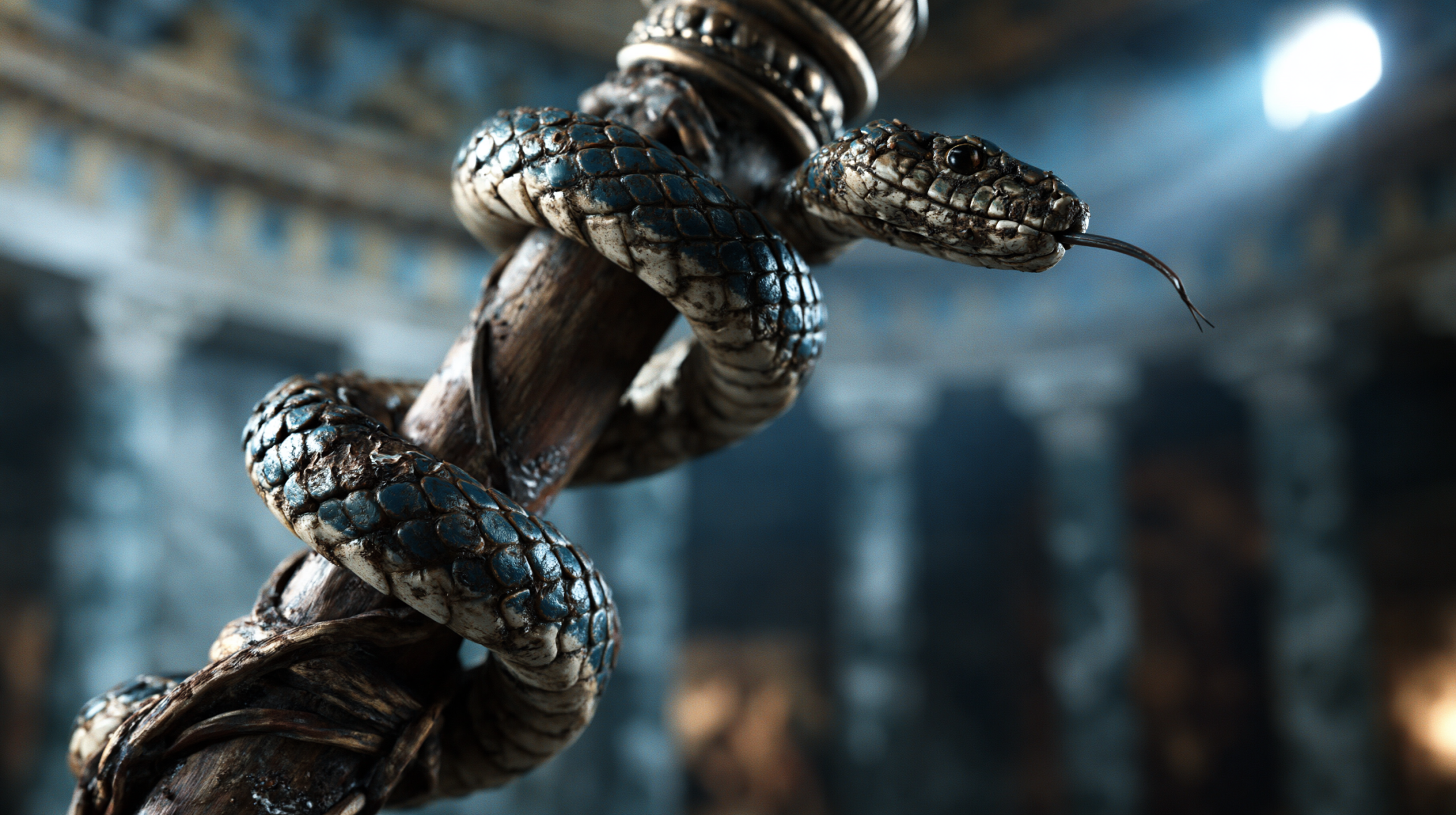
When people picture the symbol of medicine, they often imagine a staff with snakes wrapped around it. However, it’s important...
When people picture the symbol of medicine, they often imagine a staff with snakes wrapped around it. However, it’s important...
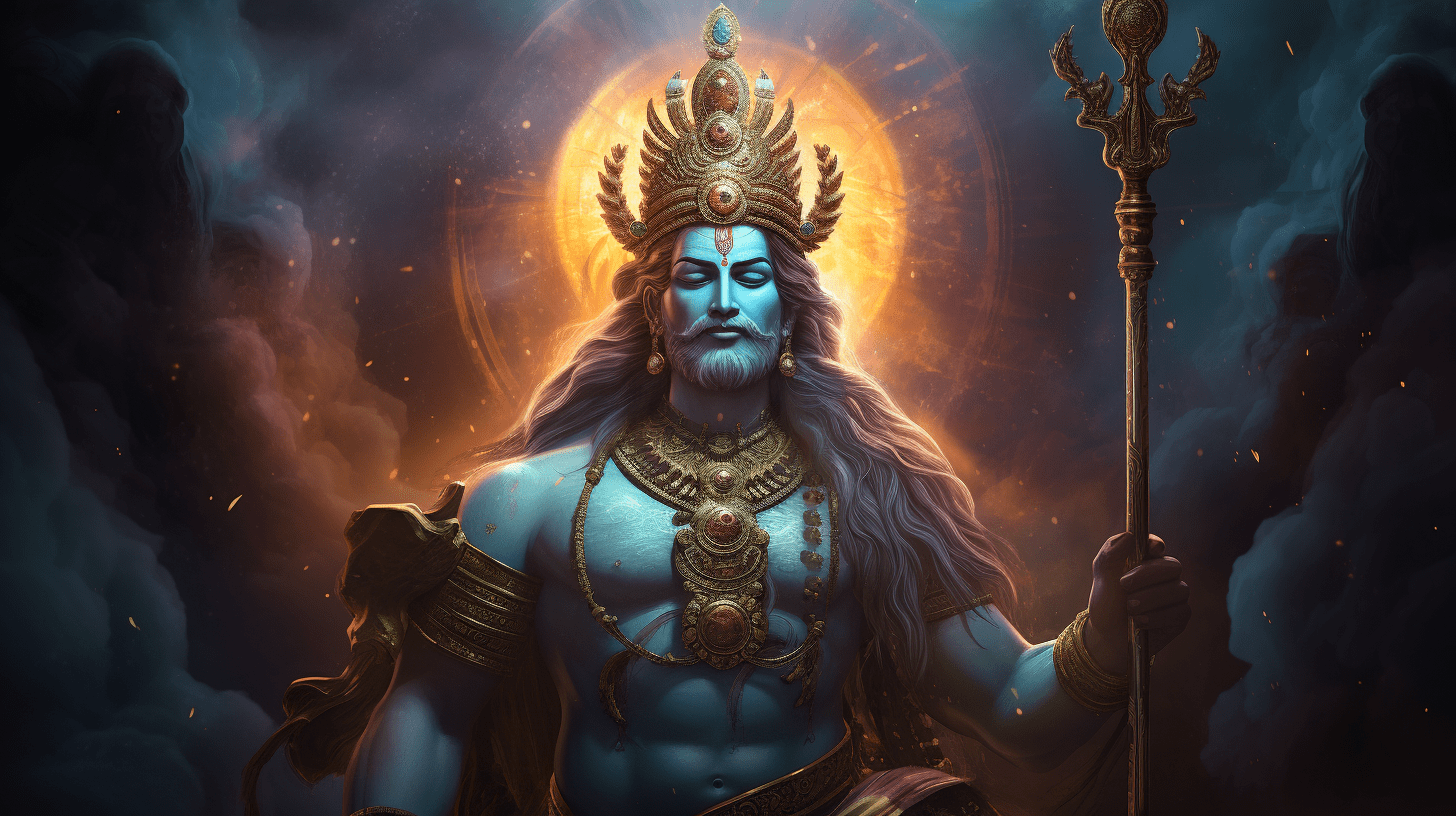
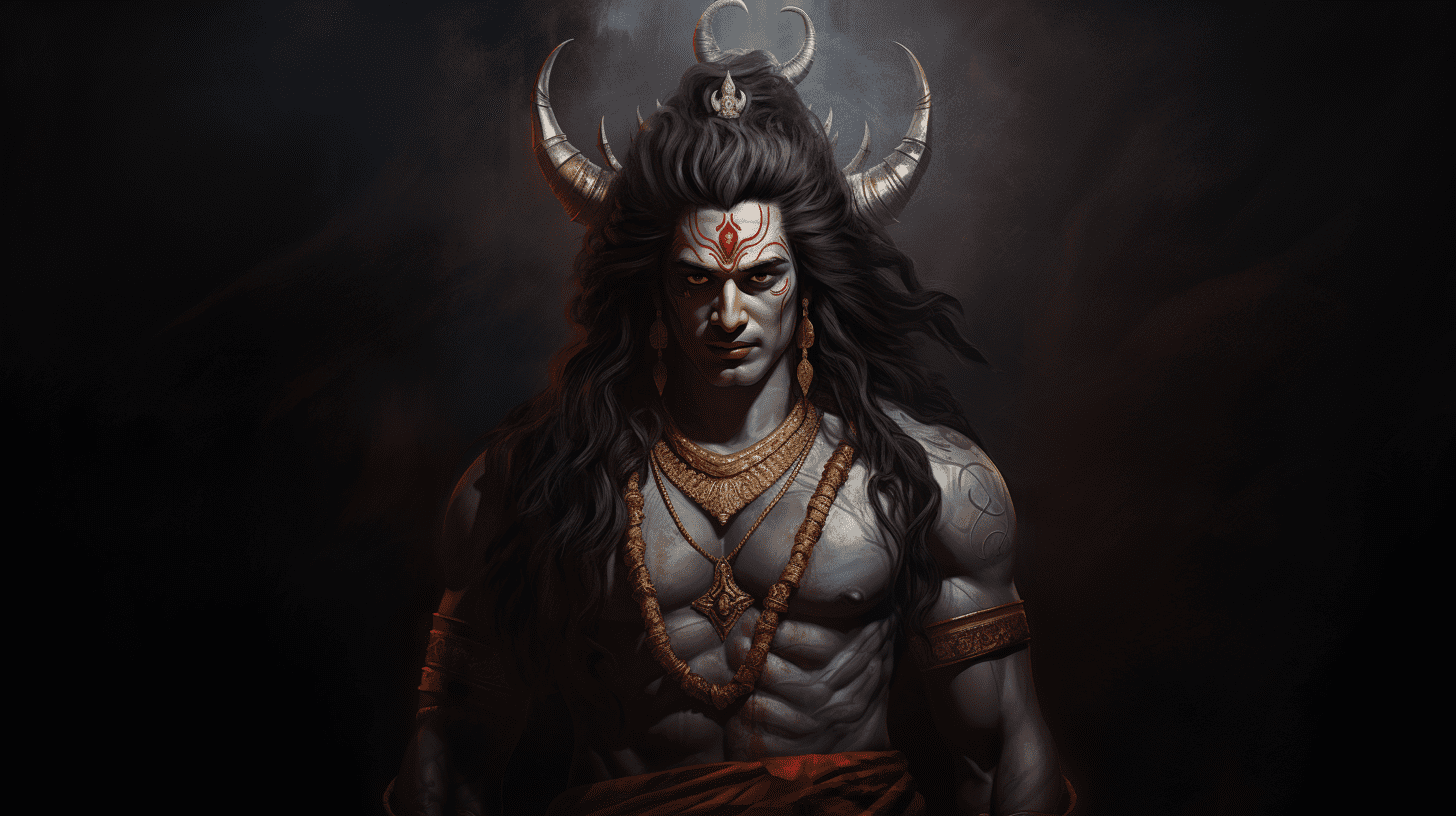
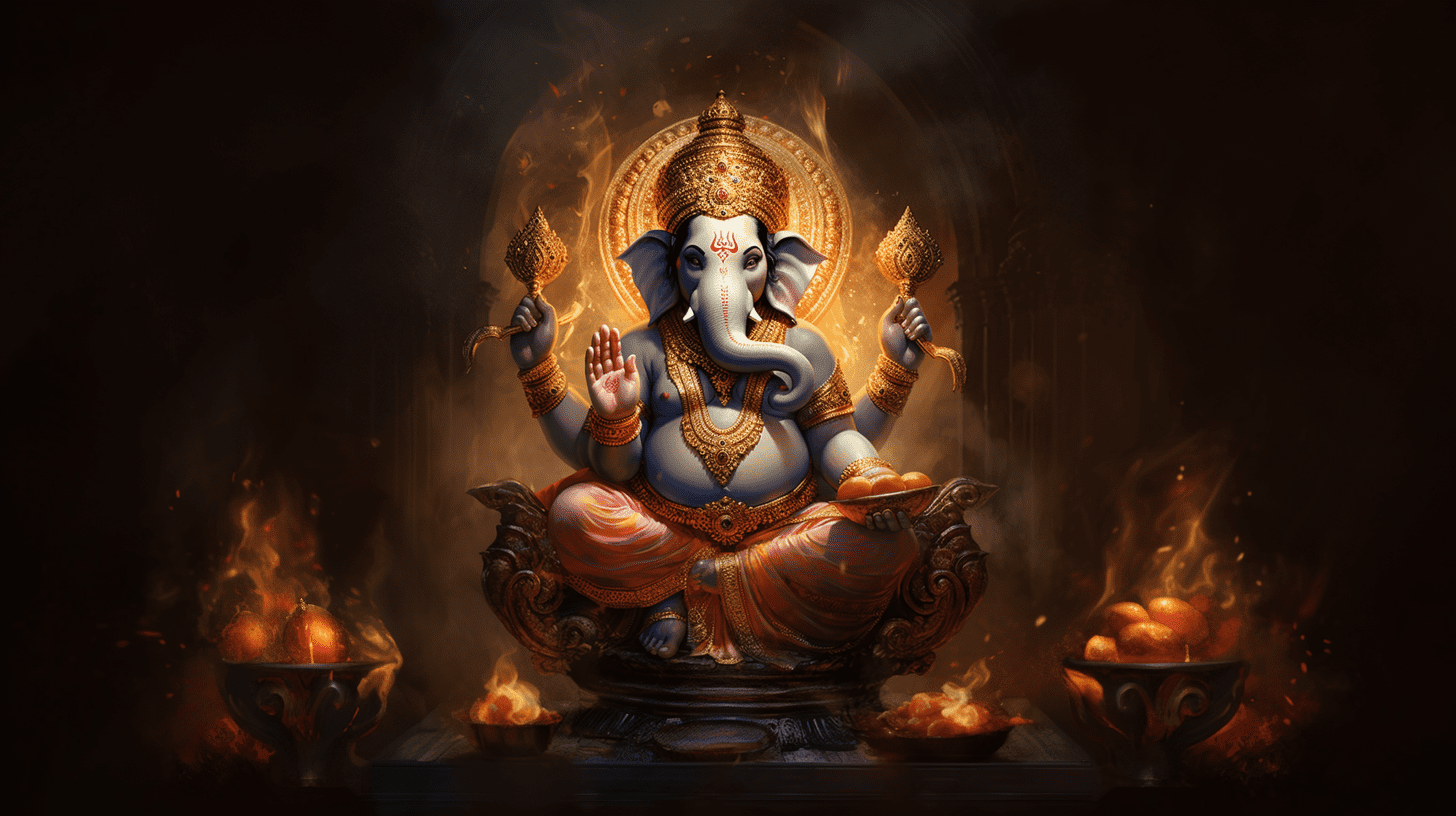
The God of Creation Lord Brahma is one of the most important deities in Hinduism...
What is numerology? Numerology connects numbers to energy, which manifests itself in the form of traits and states of being in our everyday lives. Our numerology chart and the energy it represents are used to derive meaning in a way that is similar to astrology. When you get a numerology reading, the core numbers associated with your name and date of birth are calculated. A specific number can represent all of your life’s experiences. In order to become self-aware, you can use this information. Other divinatory, occult, and spiritual practices can also benefit from numerology. There are many uses for...

THE SIX MOST COMMON HUMAN FEARS Every person is subject to the effects of six fundamental fears. The smaller worries might be categorized under these six fears. The six basic or major anxieties are listed here, along with the origins from which they are thought to have evolved. Click to read about them on their own respective pages. The six basic fears are: a. The fear of Povertyb. The fear of Old Agec. The fear of Criticismd. The fear of Loss of Love of Someonee. The fear of Ill Healthf. The fear of Death Examine the list, then make note...
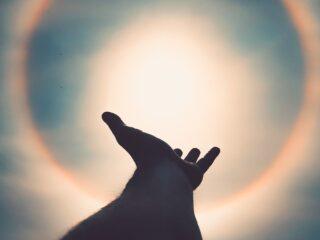
Many people hold the belief that we all have a spirit guide. You have a number of guides to assist you on your life’s path. Some of your “team” has been with you since you were born, while others are added when you require them to. Using your personal will, you can even ask your current spirit guides for additional guidance or support. You can strengthen communication with your spirit guides by using crystals. Your Spirit Guides You can have one of seven different kinds of spirit guardians. You can have a couple of each type or a lot of...
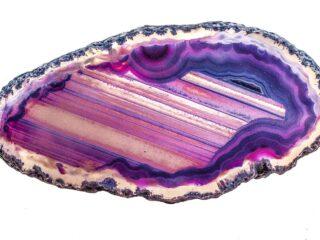
Many types of banded chalcedony, a mineral in the quartz family, are known as agate. It gets its name from the Achetes River in Sicily, where the first agates were discovered. Some variants feature “eye” marks, or specks of color; some have fossilized inclusions, while others are solid. The concentric bands of agate develop in practically every hue the earth can create, including a colorless variety, and are known as the earth rainbow. Agate was discovered among Neolithic people’s artifacts and was used as healing amulets and decorations dating back to Babylon. Its medical applications persisted throughout the ancient Greek...
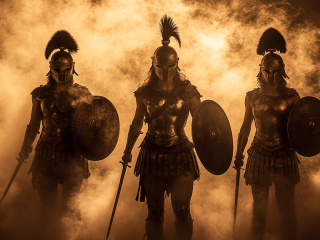
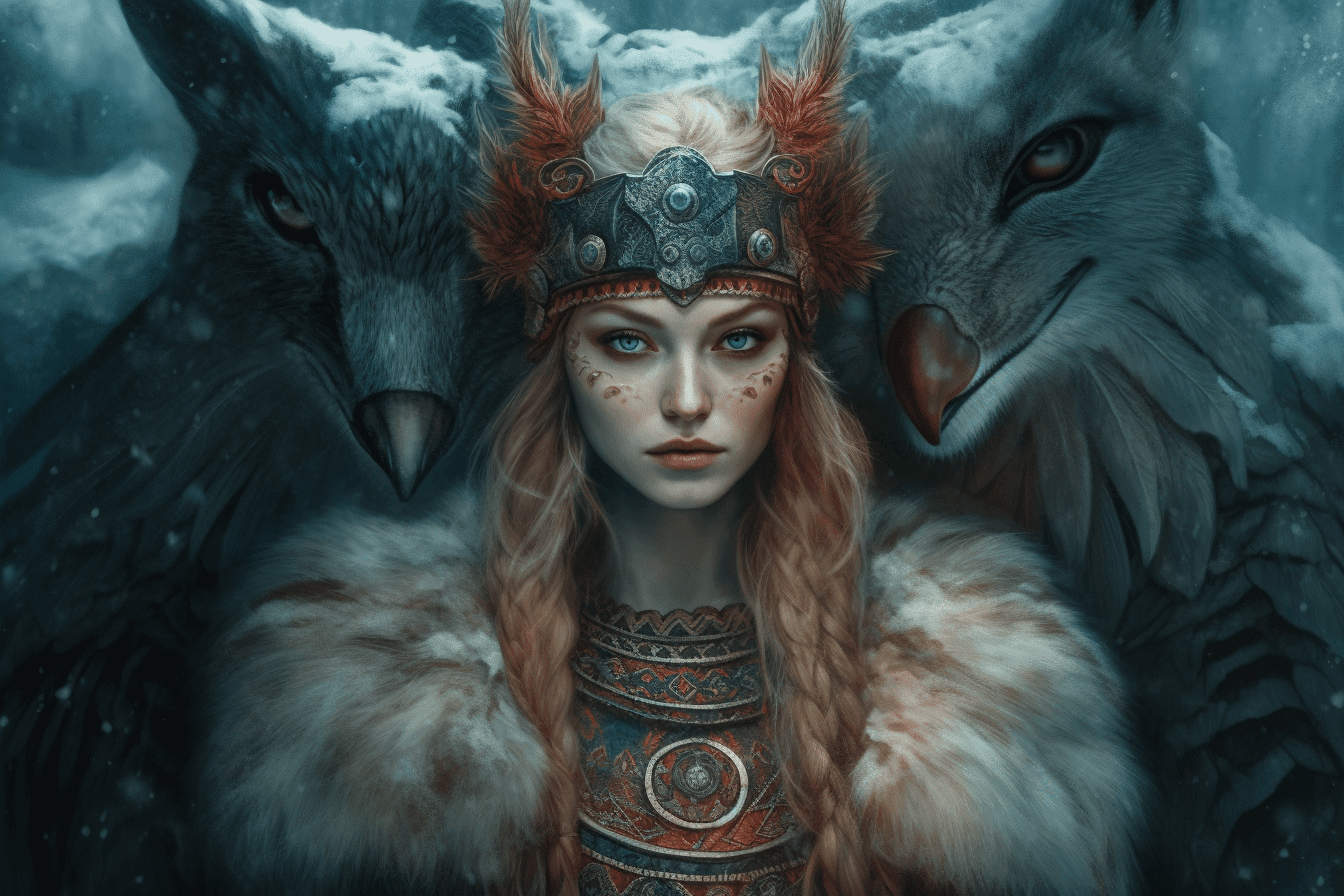
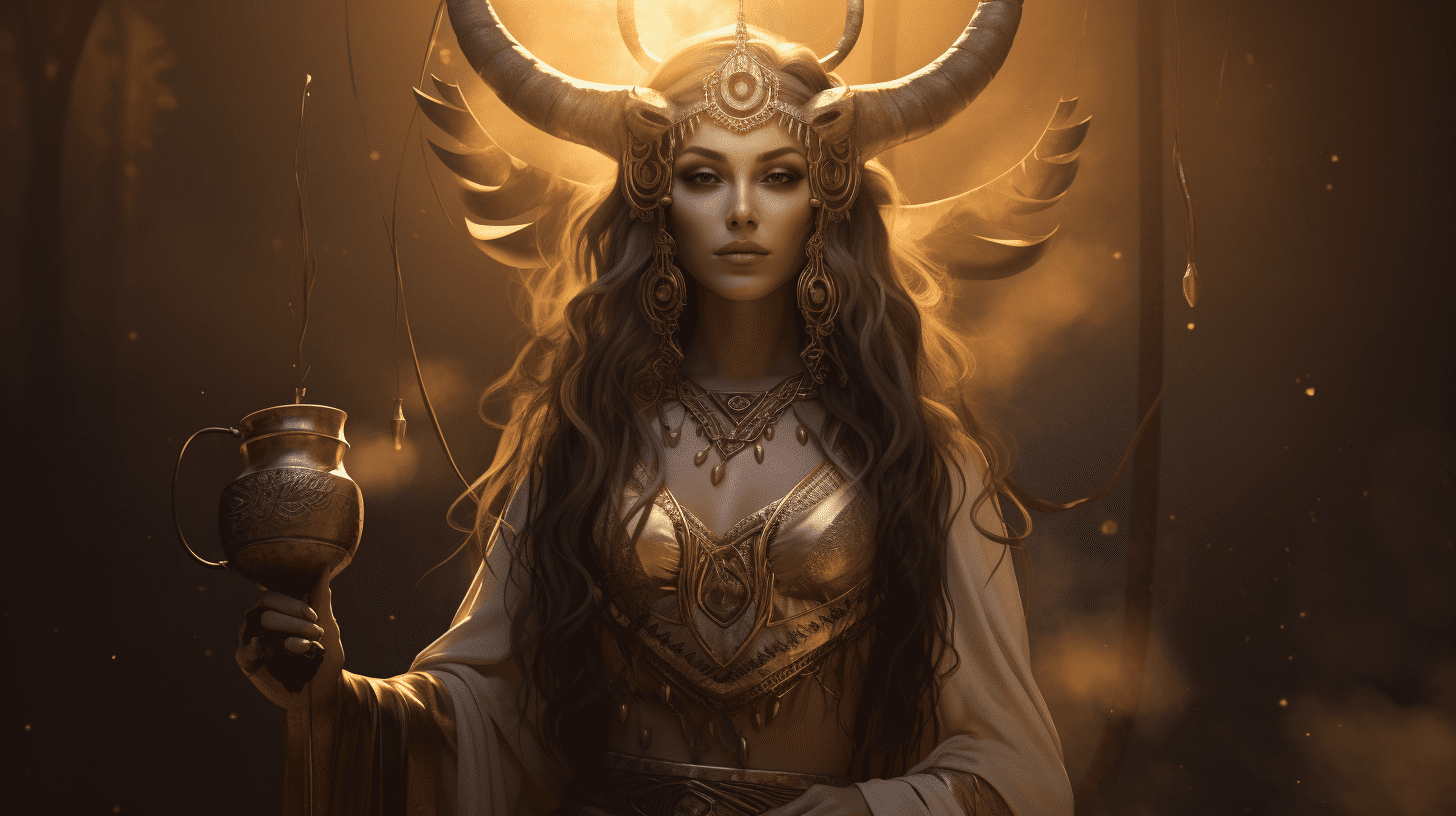
The Amazons of ancient Greece stand as one of the most intriguing and enduring myths of the ancient world. Their stories of fierce warrior women, their battles with legendary heroes, and their unique societal structures have fascinated and inspired people for centuries. Whether viewed as mythical creations or as reflections of real historical figures, the Amazons represent a powerful symbol of female strength and autonomy.