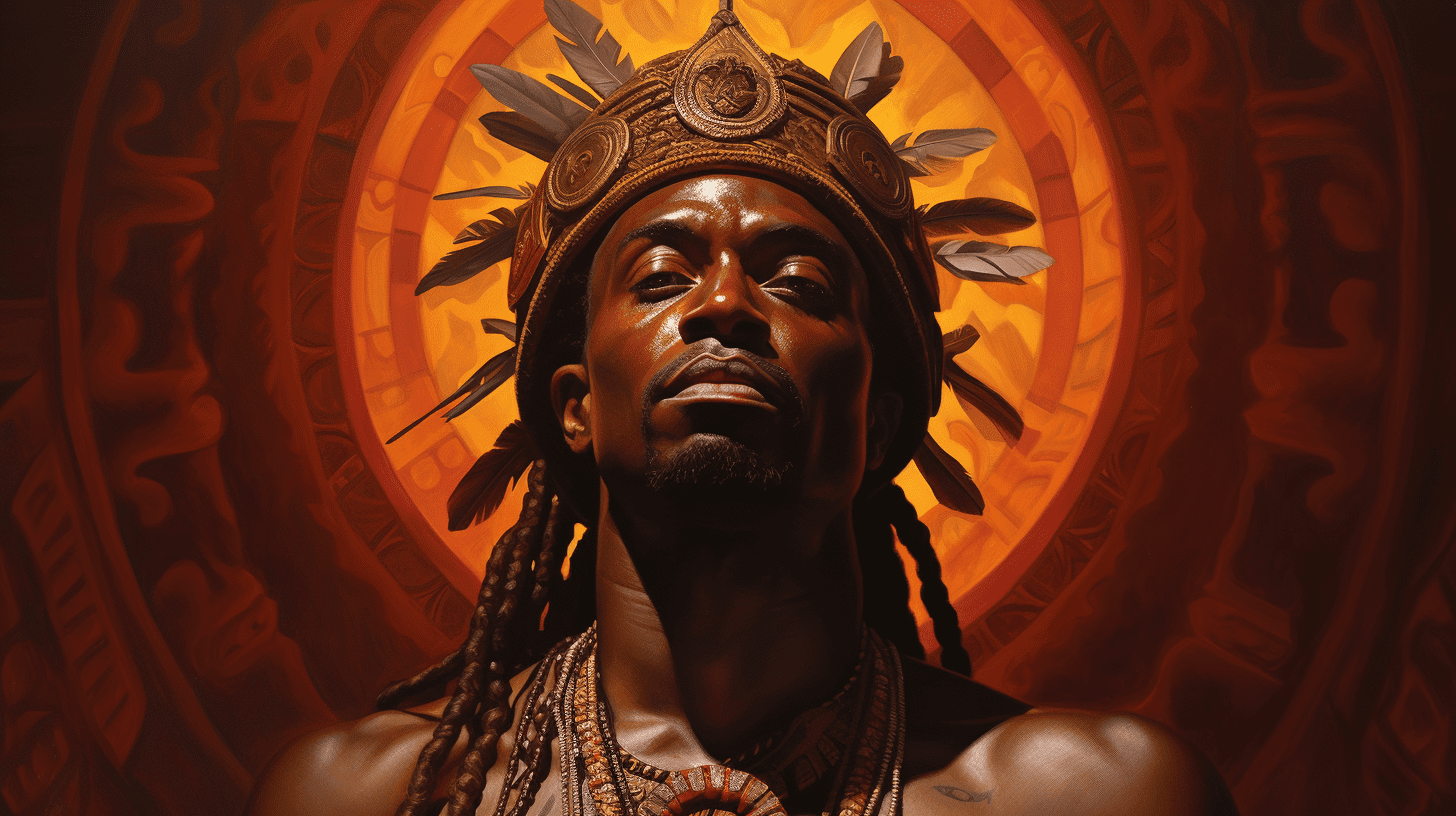
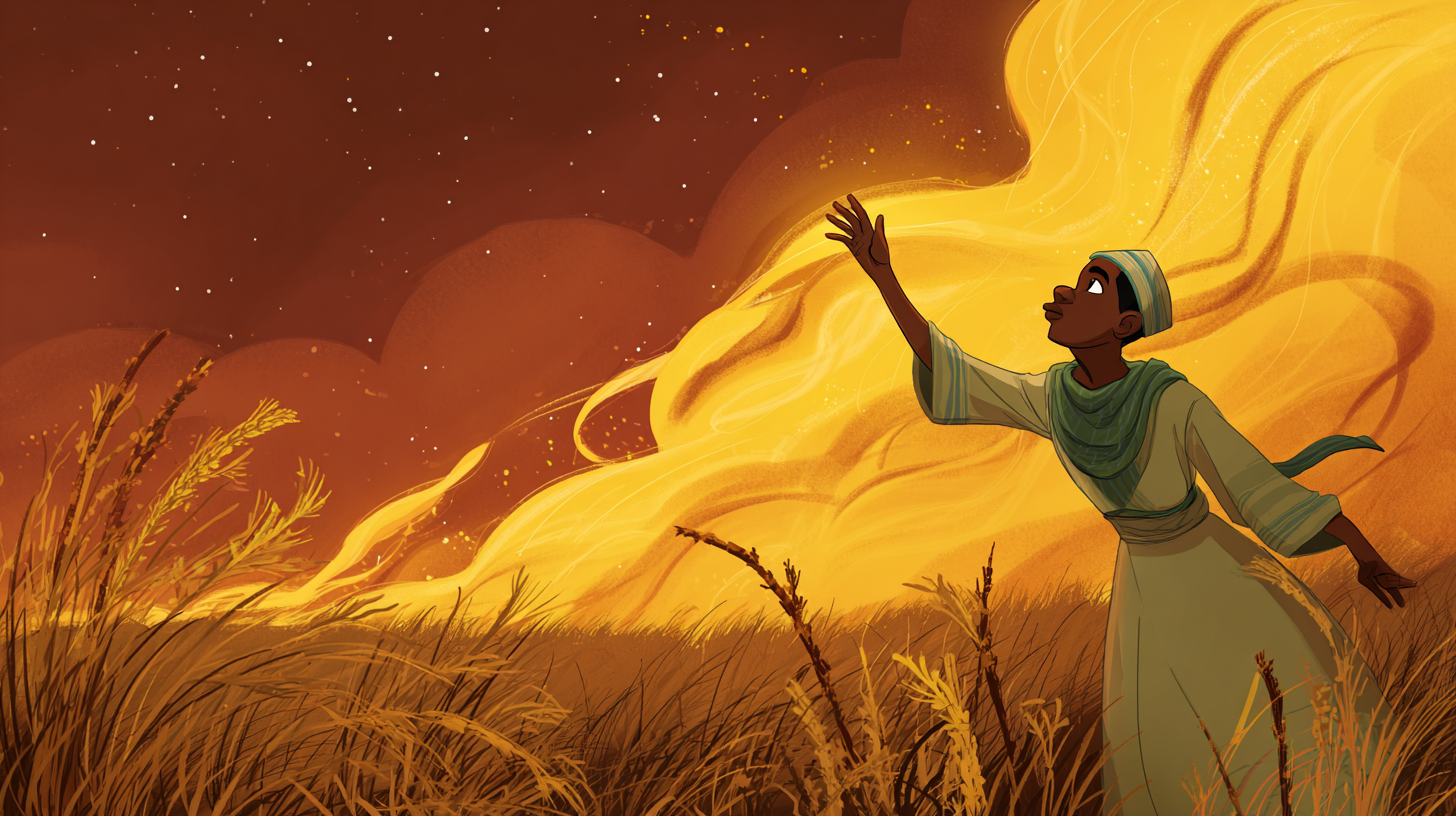
A Nigerian Folktale of Abundance, Greed, and the Cost of Wastefulness Long ago—before the first iron was forged in the...
A Nigerian Folktale of Abundance, Greed, and the Cost of Wastefulness Long ago—before the first iron was forged in the...
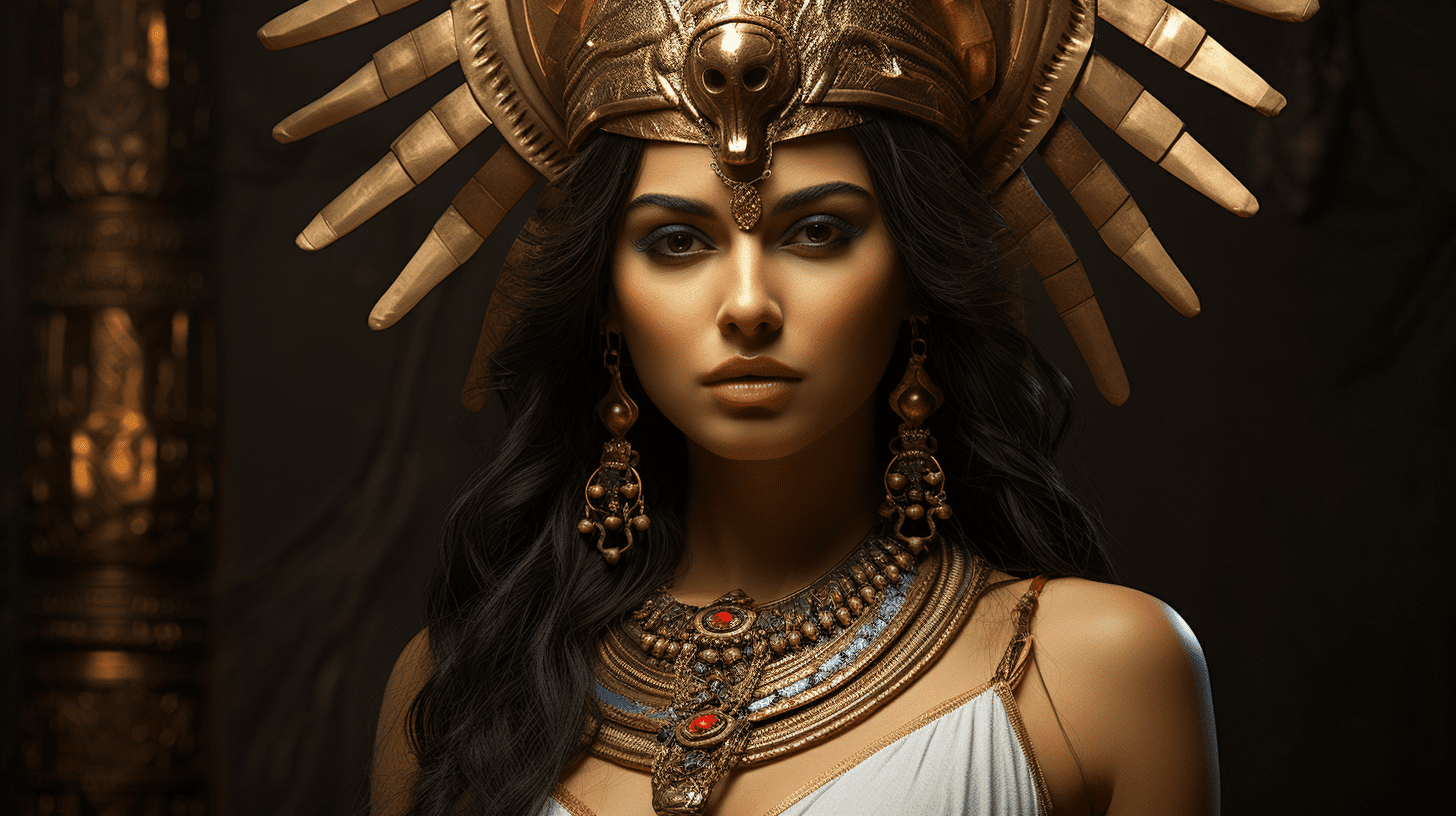
Inanna, also known as Ishtar, was the ancient Sumerian goddess of love, fertility, and war....
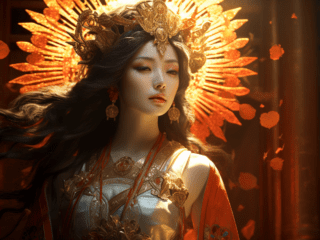
In the vast realm of Japanese mythology, there exists a dazzling figure whose radiance has captivated the hearts and minds of countless generations. She is Amaterasu, the goddess of the sun, whose divine presence illuminates the heavens and brings warmth and life to the world. With her rich history and significant role in Japanese culture, Amaterasu has become an iconic symbol of power, beauty, and benevolence. Join us on this enlightening journey as we delve into the depths of Amaterasu’s origins, her divine attributes, and her enduring legacy. Origin and Genealogy Amaterasu, also known as Amaterasu-ōmikami, holds a prominent position...

Your success on a magical path depends on your capacity to concentrate charged energies and send them into the universe in order to achieve your goals. Your link to magical energy will deteriorate if you disregard it, as will your power. They are crucial for novice witches in particular. Daily devotions are actions you take each day to improve your capacity to regulate your inner magickal energy. A daily, intermittent devotional practice aids in the replenishment of energies. Consider your daily rituals of devotion as energetic mini-rituals. They make your bond stronger and infuse your life with uplifting vibes. The...

THE FEAR OF CRITICISM It is difficult, if not impossible, to identify how man gained this basic dread, but one thing is certain: he has it in a well-developed form. Some believe that this fear first appeared in man’s consciousness around the time that politics emerged. Others say it can be dated back to the inaugural gathering of a female organization known as a “Woman’s Club.” Another school of humorists attributes the origin to the contents of the Holy Bible, whose chapters are rife with scathing and harsh criticism. If the latter claim is right and people who take literally...
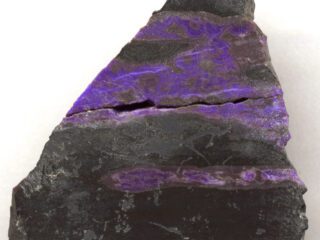
Sugilite, a very beautiful and strong violet ray energy crystal, is a premier “love stone for this age,” embodying the perfection of divine love and its expression on the earth level. It bestows wisdom and spiritual commitment, assisting one in understanding that truth is the highest form of love and that living in one’s own truth is not only healing but also empowering. Working with, wearing, or meditating with Sugilite enhances one’s ability to channel high-frequency violet energy into every area of one’s existence, allowing one to traverse the Earth with strength and grace. Sugilite reminds the soul of its...
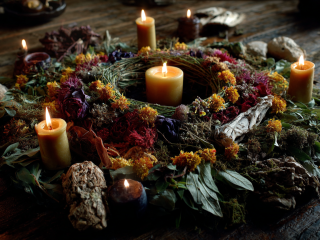
The Pagan Wheel of the Year is a dynamic spiritual calendar rooted in nature, seasonal change, and ancient celebrations. Adopted today by many modern Pagans, Wiccans, Druids, and other earth-based spiritual paths, it marks the cycle of life, death, and rebirth through quarterly solar festivals and cross-quarter fire celebrations. This blog explores the eight major Pagan holidays, their meanings, when they occur (with approximate dates), how they are celebrated, and why they have endured in the modern spiritual landscape. 🌀 What Is the Wheel of the Year? The Wheel of the Year is a symbolic circle representing the seasonal cycle...