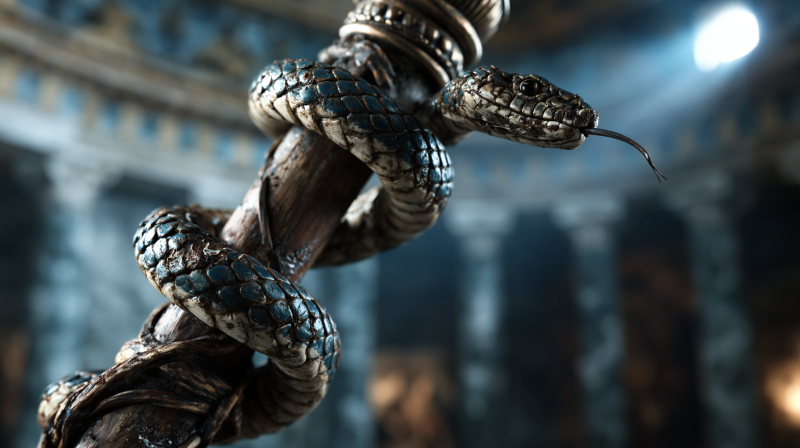
From sacred temples filled with whispered prayers to forests where shamans called upon unseen spirits, humanity has always looked beyond the physical world for healing. Long before modern medicine, the sick turned to gods, rituals, and mythic forces to restore balance to body and soul. Across civilizations, divine healers emerged—powerful beings who could both inflict disease and cure it.
This is their story.
The Sacred Origins of Healing
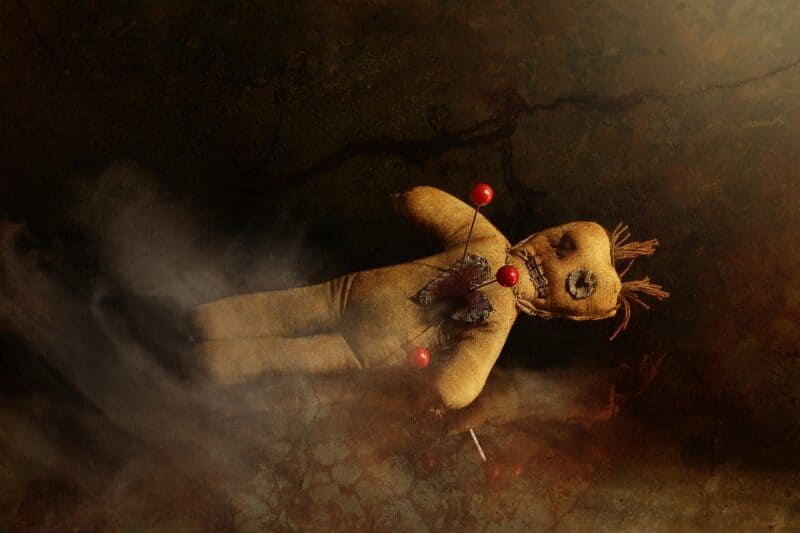
In the earliest human societies, illness was rarely considered purely physical. A fever was not just heat—it was a sign of divine displeasure. A wound was not just injury—it might be a curse. Healing, therefore, required more than herbs or rest. It demanded intervention from the divine.
Across cultures—from Ancient Egypt to Ancient Greece and India—gods and goddesses of medicine were revered as intermediaries between suffering humans and the forces that governed life itself.
These divine healers were not merely benevolent figures. Many embodied a duality: they could send plagues just as easily as they could cure them.
Asclepius: The Serpent-Bearing God of Healing
Among the most enduring figures in medical mythology is Asclepius, the Greek god whose legacy still shapes modern healthcare.
The Story
Asclepius was said to be the son of Apollo and a mortal woman. Trained by the wise centaur Chiron, he mastered the art of medicine to such a degree that he could raise the dead.
But such power disturbed the natural order.
Fearing that humanity would become immortal, Zeus struck Asclepius down with a thunderbolt.
Yet death was not the end of his story—he was immortalized among the stars and worshipped as a god.
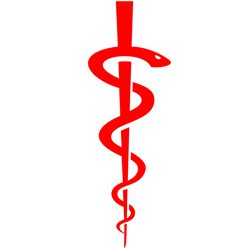
The Symbol That Endures
The Rod of Asclepius, a staff entwined with a single serpent, remains one of the most recognized symbols of medicine today.
The serpent itself symbolized the following:
- Hidden knowledge
- Renewal (shedding of skin)
- Transformation
Sekhmet: The Lioness of Destruction and Healing
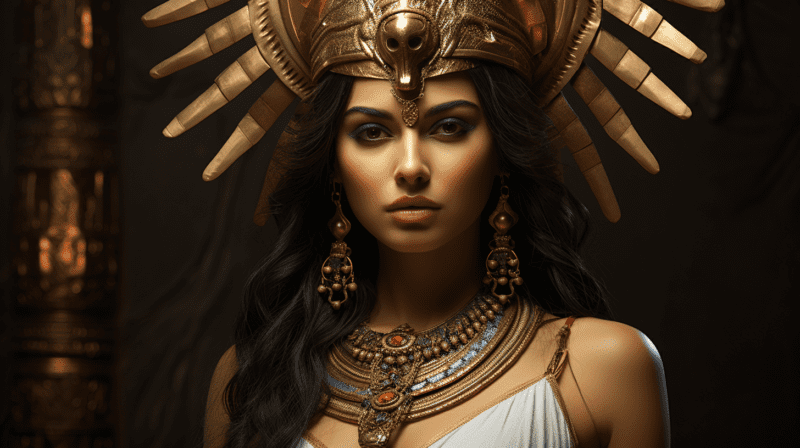
In Ancient Egypt, healing and destruction were often two sides of the same coin. No deity embodies this paradox more than Sekhmet.
The Dual Nature
Sekhmet was a lion-headed goddess of war, fire, and plague. According to myth, she was sent by the sun god Ra to punish humanity. Her wrath was so intense that she nearly wiped out humankind.
But just as she could bring disease, she could also cure it.
Egyptian priests invoked her power in healing rituals, believing that only she could reverse the destruction she unleashed.
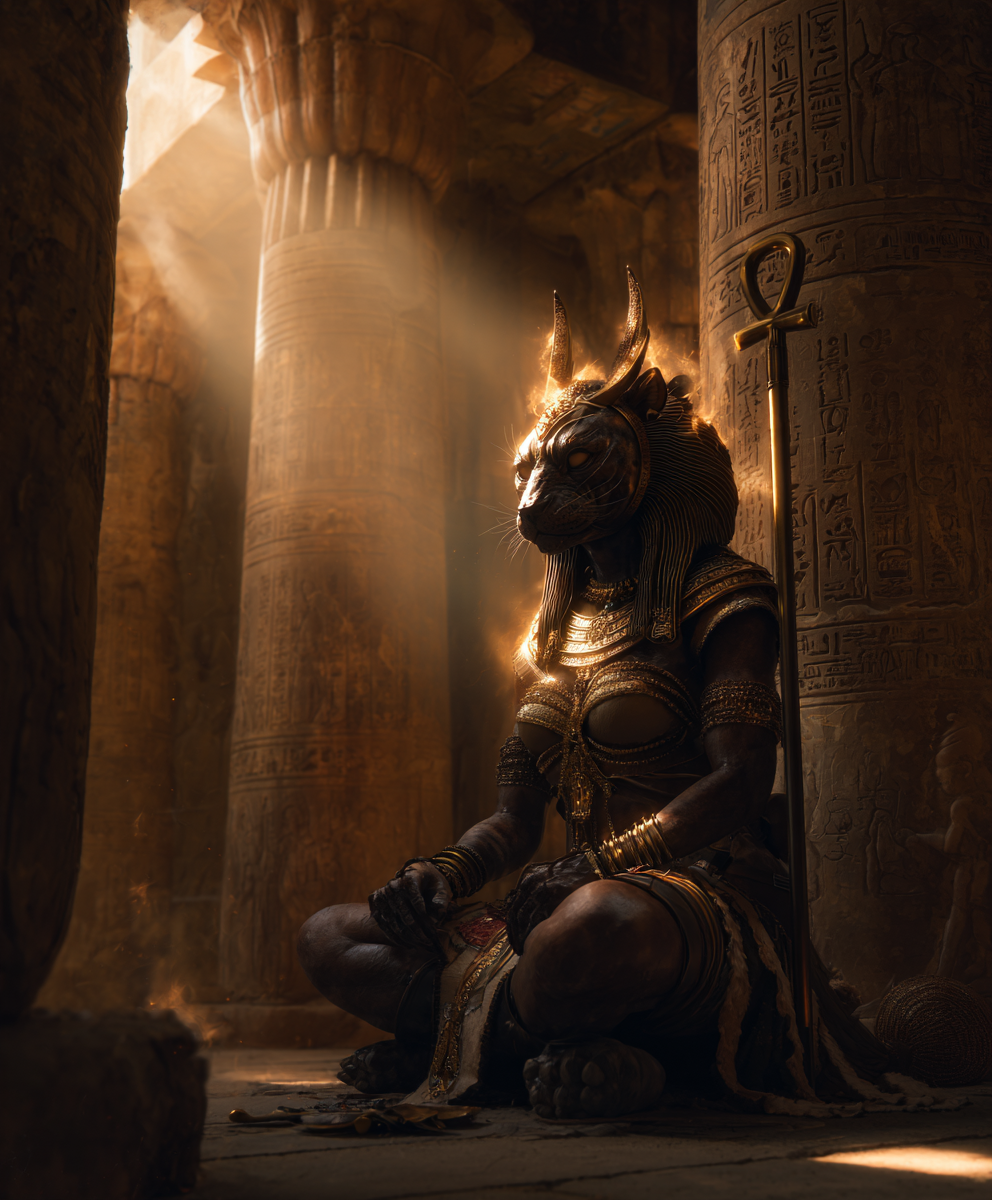
Rituals of Healing
Temples dedicated to Sekhmet functioned as early healing centers, where priest-physicians used the following:
- Incantations
- Amulets
- Herbal remedies
Healing was both a spiritual and medical practice.
Dhanvantari: The Divine Physician of Ayurveda
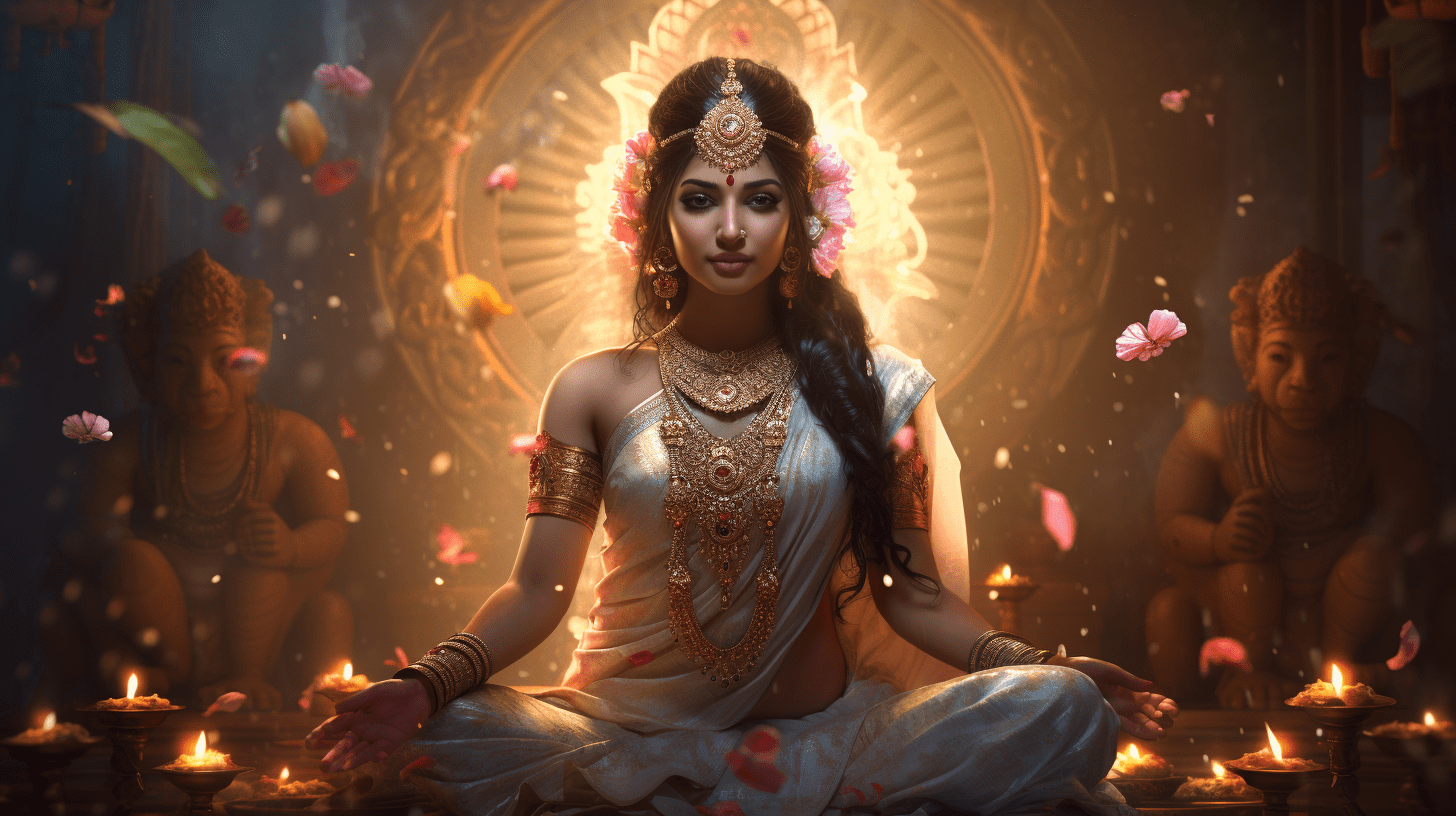
In Hindu mythology, healing is deeply intertwined with cosmic balance. At the center of this tradition stands Dhanvantari.
The Cosmic Emergence
Dhanvantari emerged during the enormous cosmic event known as the churning of the ocean—when gods and demons sought the nectar of immortality.
From the depths rose the divine physician, carrying the following:
- The Amrita (nectar of immortality)
- Sacred knowledge of Ayurveda, one of the world’s oldest medical systems
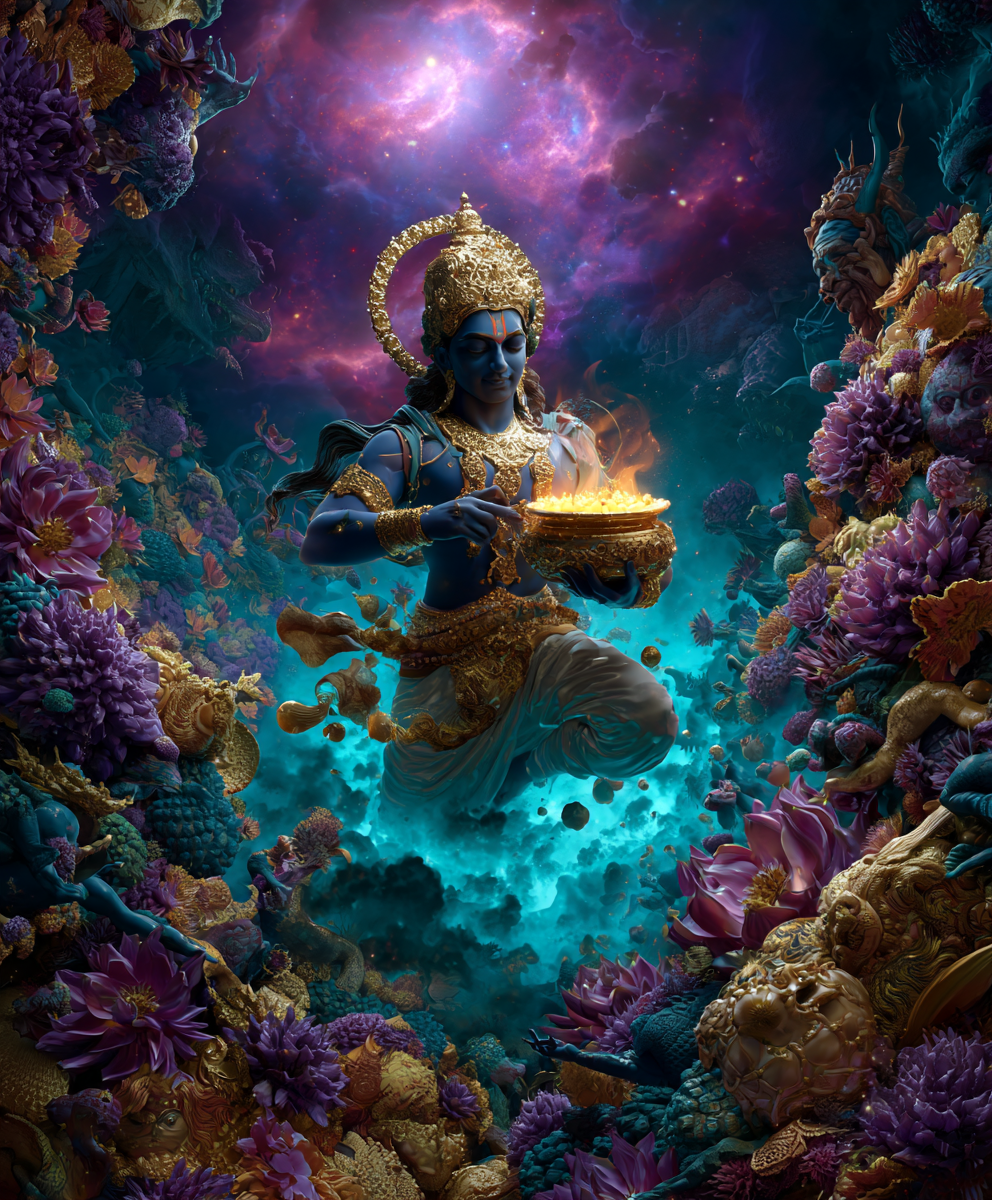
Ayurveda: Balance as Healing
Ayurveda teaches that health depends on balance between the following:
- Body
- Mind
- Spirit
Illness arises when this harmony is disrupted.
Dhanvantari is still revered today, especially during Dhanteras, a festival celebrating health and prosperity.
Brigid: The Celtic Flame of Healing
In Celtic mythology, healing flows like a quiet fire—gentle, nurturing, and deeply spiritual. Brigid is its embodiment.
The Triple Goddess
Brigid was associated with:
- Healing
- Poetry
- Smithcraft
Her healing powers were linked to sacred wells and flames—symbols of purification and renewal.

Sacred Wells
Across Ireland, wells dedicated to Brigid were believed to cure ailments. Pilgrims would:
- Leave offerings
- Tie cloth to nearby trees
- Pray for healing
These traditions persist even today.
Eir: The Silent Healer of the Norse Gods
In the harsh, cold landscapes of Norse mythology, survival itself was a form of healing. Among the gods, Eir stood as a quiet yet powerful force.

The Mysterious Goddess
Little is known about Eir, but what remains suggests the following:
- She was one of the most skilled healers among the gods
- She may have served the goddess Freyja
Her presence reminds us that healing is not always loud or dramatic—it can be subtle, patient, and enduring.
Isis: The Magician Healer
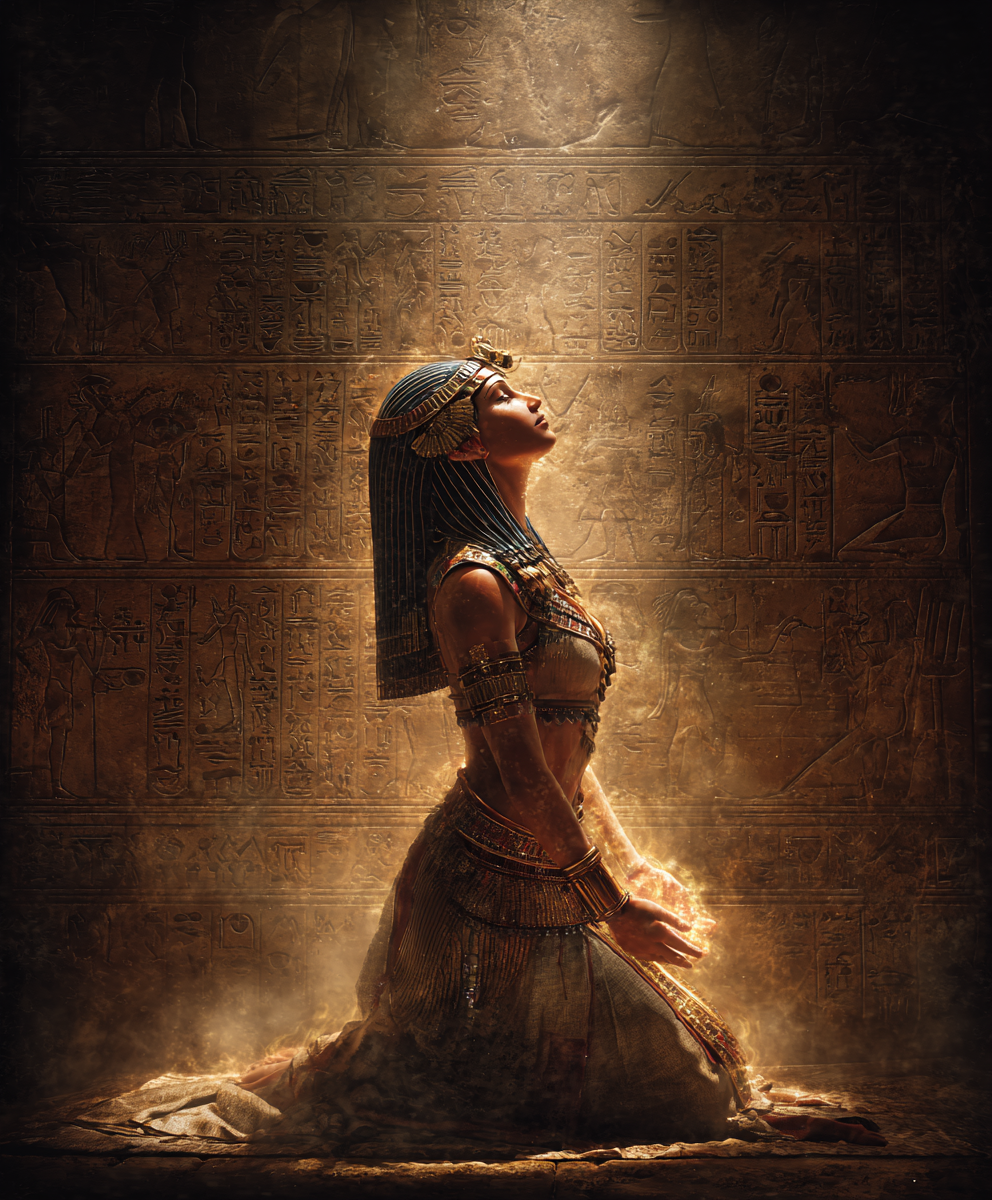
Another powerful figure from Ancient Egypt is Isis, whose mastery of magic made her one of the most revered healers.
The Myth of Resurrection
When her husband Osiris was killed and dismembered, Isis:
- Gathered his scattered body parts
- Used powerful spells to resurrect him
This act made her a symbol of:
- Restoration
- Protection
- Maternal healing
Magic as Medicine
For Isis, healing was not separate from magic—it was magic.
Her followers believed:
- Faith could restore life
- Words had power
- Rituals could reshape reality
Healing Beyond the Body
Across these myths, a pattern emerges:
Healing was never just physical.
It involved:
- The spirit
- The mind
- The unseen forces of the universe
Temples functioned as hospitals. Priests acted as doctors. Dreams were prescriptions. Rituals were treatments.
In the temples of Asclepius, patients underwent dream incubation, sleeping in sacred spaces to receive visions that revealed cures.
In Celtic lands, water carried divine healing energy.
In India, balance—not intervention—was the key.
The Dual Nature of Divine Healers
One of the most fascinating aspects of these deities is their duality.
- Apollo could send plagues with his arrows—and cure them.
- Sekhmet could destroy humanity—and save it.
This reflects an ancient understanding:
The force that harms is often the same force that heals.
Disease was not random—it was purposeful, even divine.
Why These Myths Still Matter
Even in the age of modern medicine, these ancient beliefs continue to echo.
- The Rod of Asclepius is still used as a medical symbol
- Holistic medicine reflects Ayurvedic principles
- Spiritual healing practices mirror ancient rituals
More importantly, these myths remind us that healing is not just about curing illness—it is about restoring balance.
A Story That Never Ends
Imagine a world where every illness had a story.
A fever was a god’s warning.
A wound was a test of resilience.
A cure was a gift from the divine.
Though science has replaced myth in many ways, the human desire to discover meaning in suffering remains unchanged.
We still seek healing not only for the body but also for the soul.
And in that search, the ancient gods of medicine still whisper.
References & Citations
🏛️ Greek Mythology & Asclepius
- Hesiod. Theogony. Translated by M. L. West. Oxford University Press, 1988.
- Pindar. Pythian Odes. Harvard University Press, 1997.
- Apollodorus. Bibliotheca (The Library of Greek Mythology). Translated by Robin Hard. Oxford University Press, 2008.
- Edelstein, Emma J., and Ludwig Edelstein. Asclepius: Collection and Interpretation of the Testimonies. Johns Hopkins University Press, 1998.
🐍 Symbolism of the Rod of Asclepius
- Garrison, Fielding H. An Introduction to the History of Medicine. W.B. Saunders Company, 1929.
- Wilcox, Robert A., and Emma M. Whitham. “The Symbol of Modern Medicine: Why One Snake Is More Than Two.” Annals of Internal Medicine, vol. 138, no. 8, 2003, pp. 673–677.
🔥 Egyptian Mythology (Sekhmet & Isis)
- E. A. Wallis Budge. The Gods of the Egyptians. Dover Publications, 1969.
- Pinch, Geraldine. Egyptian Mythology: A Guide to the Gods, Goddesses, and Traditions of Ancient Egypt. Oxford University Press, 2002.
- Lichtheim, Miriam. Ancient Egyptian Literature, Volume I–III. University of California Press, 1973–1980.
- Assmann, Jan. Death and Salvation in Ancient Egypt. Cornell University Press, 2005.
🌊 Hindu Mythology & Ayurveda (Dhanvantari)
- Charaka Samhita. Translated by P. V. Sharma. Chaukhambha Orientalia, 1994.
- Sushruta Samhita. Translated by G. D. Singhal. Chaukhambha Sanskrit Series, 1981.
- Wujastyk, Dominik. The Roots of Ayurveda. Penguin Classics, 2003.
- Zysk, Kenneth G. Asceticism and Healing in Ancient India. Oxford University Press, 1991.
🌸 Celtic Mythology (Brigid)
- Proinsias Mac Cana. Celtic Mythology. Hamlyn Publishing, 1970.
- Green, Miranda. The Gods of the Celts. Sutton Publishing, 1986.
- Ó hÓgáin, Dáithí. Myth, Legend and Romance: An Encyclopaedia of the Irish Folk Tradition. Prentice Hall Press, 1991.
🐆 Norse Mythology (Eir)
- Snorri Sturluson. Prose Edda. Translated by Anthony Faulkes. Everyman, 1995.
- Poetic Edda. Translated by Carolyne Larrington. Oxford University Press, 2014.
- Simek, Rudolf. Dictionary of Northern Mythology. D.S. Brewer, 2007.
🌍 Comparative Mythology & Ancient Medicine
- Eliade, Mircea. Shamanism: Archaic Techniques of Ecstasy. Princeton University Press, 1964.
- Porter, Roy. The Greatest Benefit to Mankind: A Medical History of Humanity. W.W. Norton & Company, 1997.
- Nunn, John F. Ancient Egyptian Medicine. University of Oklahoma Press, 1996.
- Longrigg, James. Greek Rational Medicine: Philosophy and Medicine from Alcmaeon to the Alexandrians. Routledge, 1993.
🧾 Web Sources
- World Health Organization – Traditional Medicine Strategy
- Encyclopaedia Britannica – Entries on Asclepius, Sekhmet, Dhanvantari, Brigid, and Isis
- National Center for Biotechnology Information – Historical perspectives on medicine