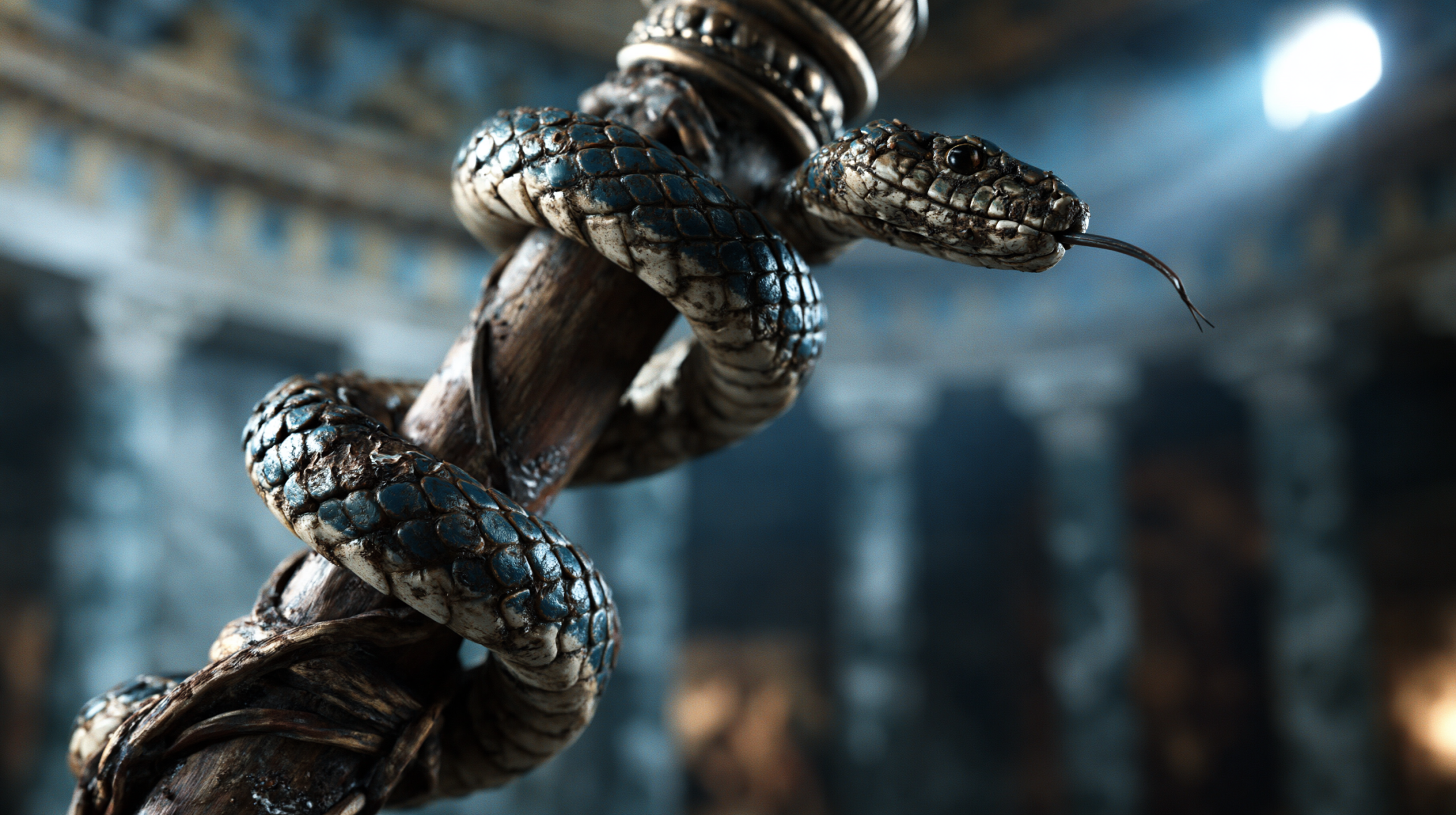
When people picture the symbol of medicine, they often imagine a staff with snakes wrapped around it. However, it’s important...

When people picture the symbol of medicine, they often imagine a staff with snakes wrapped around it. However, it’s important...
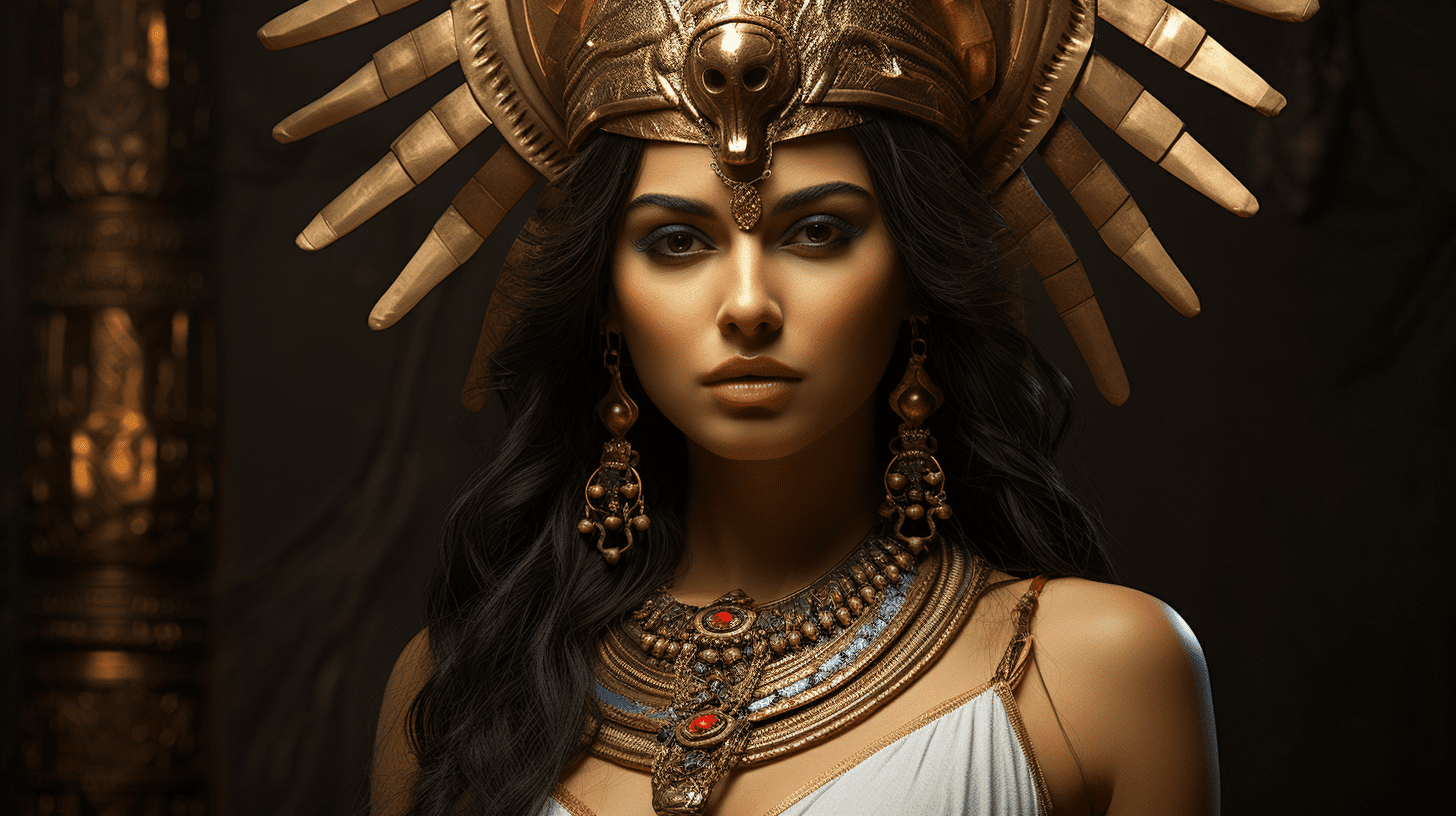
Inanna, also known as Ishtar, was the ancient Sumerian goddess of love, fertility, and war....

Every great myth contains a moment where the hero, or sometimes the god, steps not only into danger but also into darkness. They descend, often unwillingly, into a world hidden beneath the surface of life itself: the underworld. It is a place of death, but not only that. It is a land of shadows, of memories, and of forgotten truths. Whether it’s the Greek Hades, the Mesopotamian Kur, or the Mesoamerican Mictlan, the underworld is more than a destination—it is a crucible. Those who descend into the underworld rarely return unchanged. And perhaps that’s the point. This is a story...
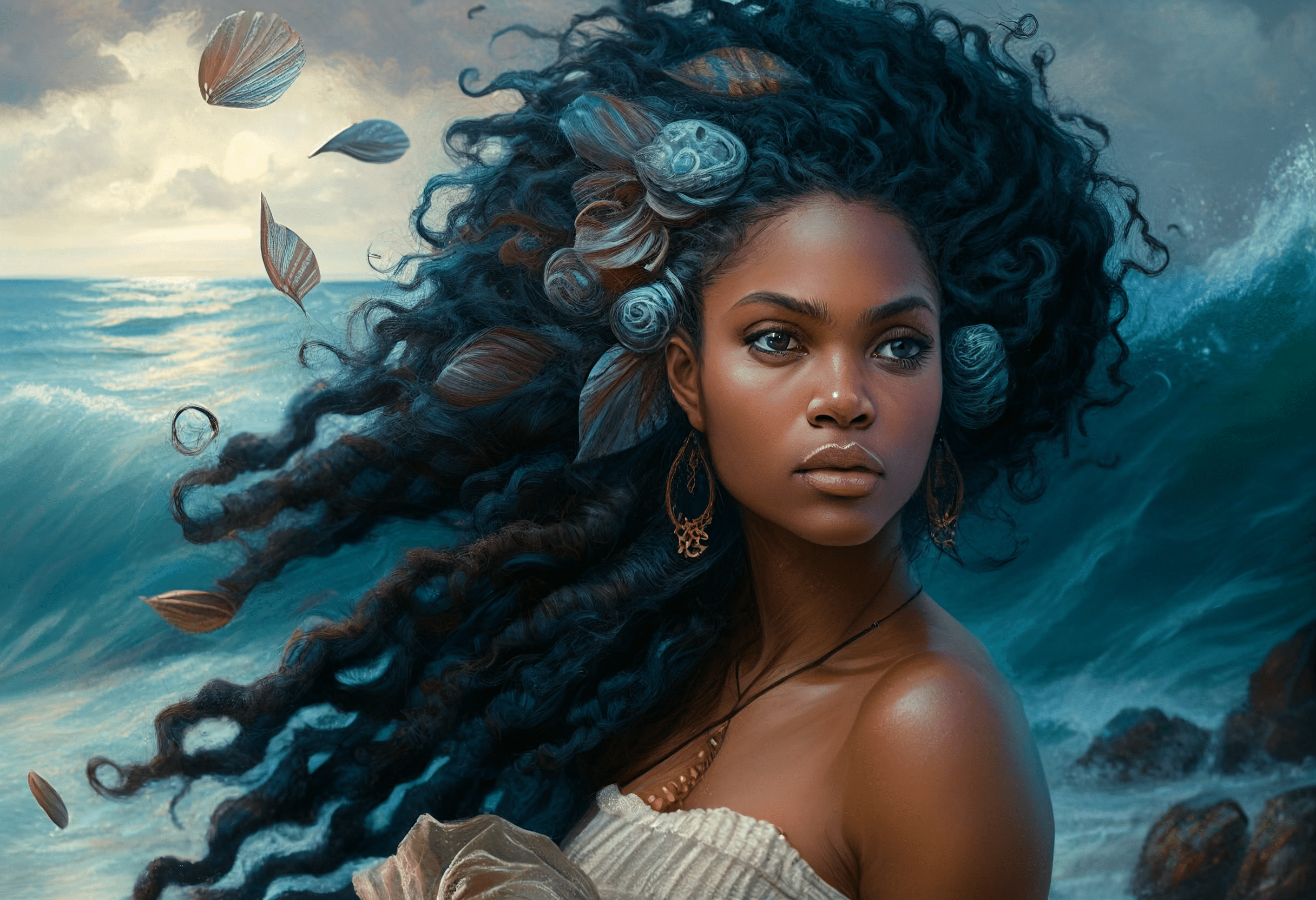
Yemaya is a powerful and revered Orisha in the religion of Santeria, also known as La Regla de Ocha. She is often depicted as a beautiful woman with long, flowing hair, holding a conch shell, and standing amidst the waves of the sea. Yemaya is the protector of the ocean and all its creatures, and she is also associated with motherhood, fertility, and nurturing. Origins of Yemaya Yemaya is believed to have originated in the Yoruba religion of West Africa. In Yoruba mythology, she is known as Yemoja or Yemowo, and she is considered the mother of all Orishas. Yemoja...

Guided meditation is a type of stress management that focuses on relaxing the entire body, in part by finding a method to relax peacefully and calmly from the inside. Guided meditation may include the use of soothing photos or situations to help the mind relax and direct the body to a state of relaxation so that the person in meditation can experience true inner peace. Natural sounds or soothing music are frequently present during guided meditation. Finding a place where the person meditating will be free of distractions is one of the keys to having a successful session of guided...
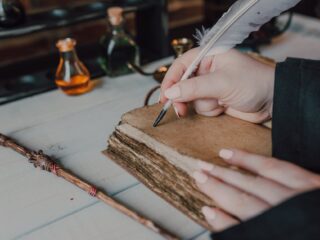
Every practicing witch wishes to be able to write their own spells. You have an advantage over “pre-built” spells you can get elsewhere if you have the ability to create your own spells. It will be more “special” to you since you will have invested your own emotion and energy into the spell throughout its development, and that is the key to casting effective spells. All of the information below is accurate if you wish to learn black magic. The substances and instruments you choose to employ will entirely depend on your personal symbolism, not just any standard magical properties...
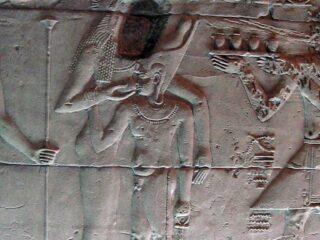
Long ago, the god Osiris arrived in Egypt to rule as king. He brought new rules to Egypt and taught them how to farm properly and live peacefully in their villages. Osiris was a knowledgeable and powerful ruler who was well-liked and respected by the Egyptians. Unfortunately, his brother Seth was envious of his brother’s power in Egypt and devised a plan to assassinate Osiris and usurp his throne. Seth crept into Osiris’ bedroom late one night. Seth measured Osiris’s body from top to bottom and side to side, taking care not to wake up Osiris or his queen, the...