The Pagan Wheel of the Year is a dynamic spiritual calendar rooted in nature, seasonal change, and ancient celebrations. Adopted today by many modern Pagans, Wiccans, Druids, and other earth-based spiritual paths, it marks the cycle of life, death, and rebirth through quarterly solar festivals and cross-quarter fire celebrations.
This blog explores the eight major Pagan holidays, their meanings, when they occur (with approximate dates), how they are celebrated, and why they have endured in the modern spiritual landscape.
🌀 What Is the Wheel of the Year?
The Wheel of the Year is a symbolic circle representing the seasonal cycle of life—from the dark half of the year into the light and back again. These celebrations are spaced roughly six weeks apart, corresponding to astronomical events like equinoxes and solstices, as well as cross-quarter points in between.
While many Pagan groups follow the Wheel, it’s not a rigidly fixed calendar—dates can vary slightly year to year based on the positions of the sun.
🌙 The Eight Pagan Sabbats
Here are the eight annual Pagan holidays—their approximate dates and what they signify:
What it celebrates: the end of the harvest, the beginning of winter, and honoring ancestors and the dead.
Recognized as the Pagan New Year, Samhain (pronounced sow-in) is considered one of the most sacred Sabbats. The veil between this world and the spirit world is believed to be thinnest, making it a powerful time for ancestral connection and divination.
Common practices:
- Lighting candles for loved ones passed
- Setting altars for ancestors
- Divination rituals (tarot, scrying)
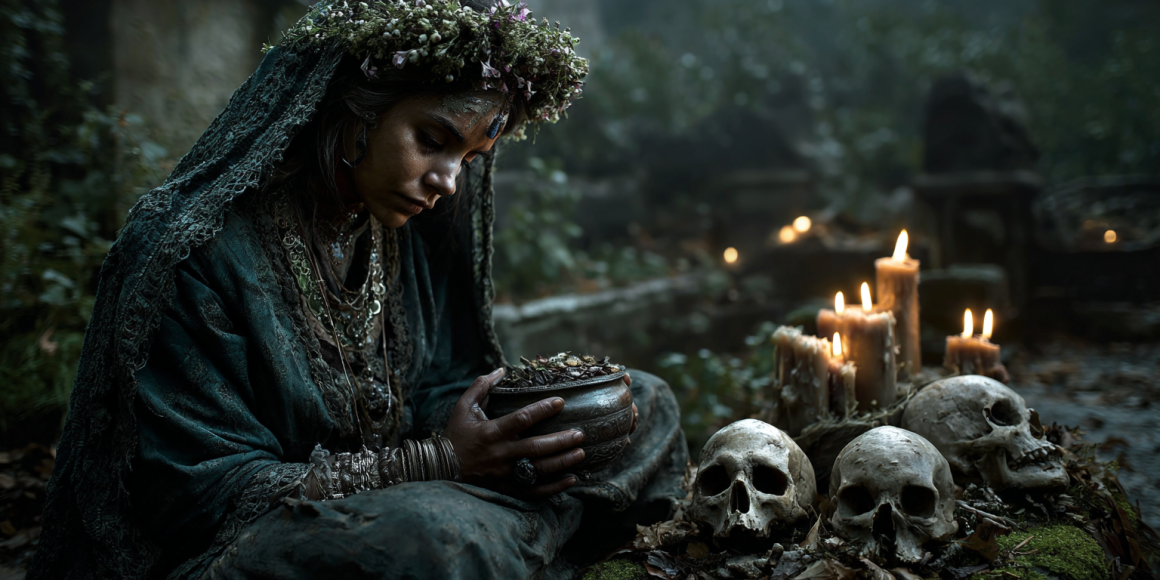
What it celebrates: It celebrates the rebirth of light and the return of the sun. Yule marks the longest night and shortest day of the year in the Northern Hemisphere. Many Pagan traditions celebrate with fire, light, and feasting to usher in longer days and hope for the year ahead.
Common practices:
- Lighting candles and bonfires
- Decorating with evergreens
- Reflective feasting and rest
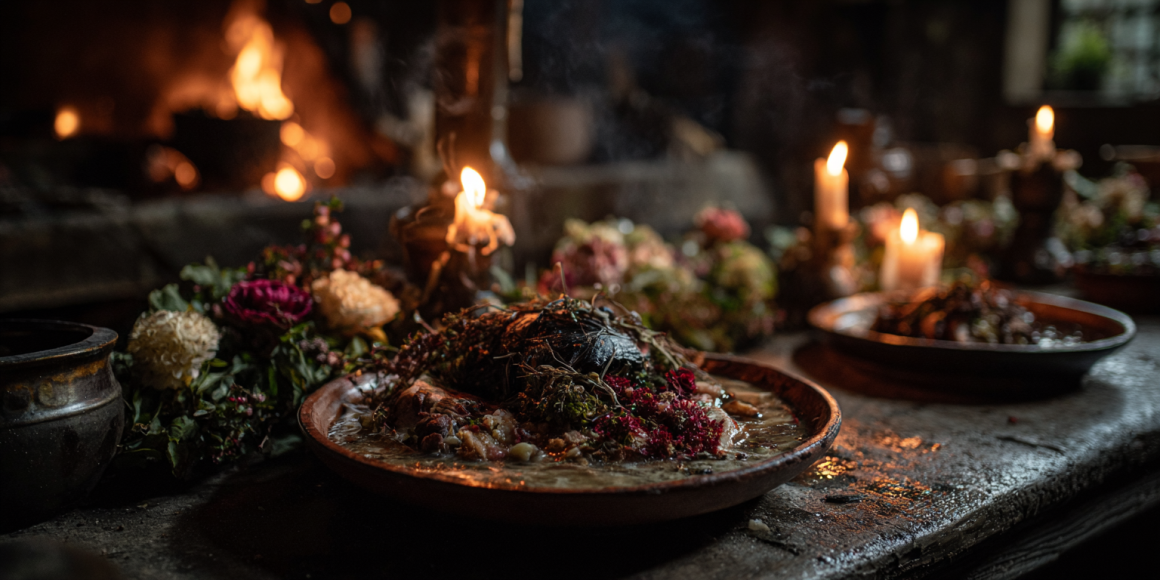
What it celebrates: Awakening of the Earth and first signs of spring. Traditionally associated with Brigid, a Celtic goddess of fire and healing, Imbolc is about purification, inspiration, and renewed life.
Common practices:
- Candle rituals
- Spring cleaning and decluttering
- Celebrating new beginnings
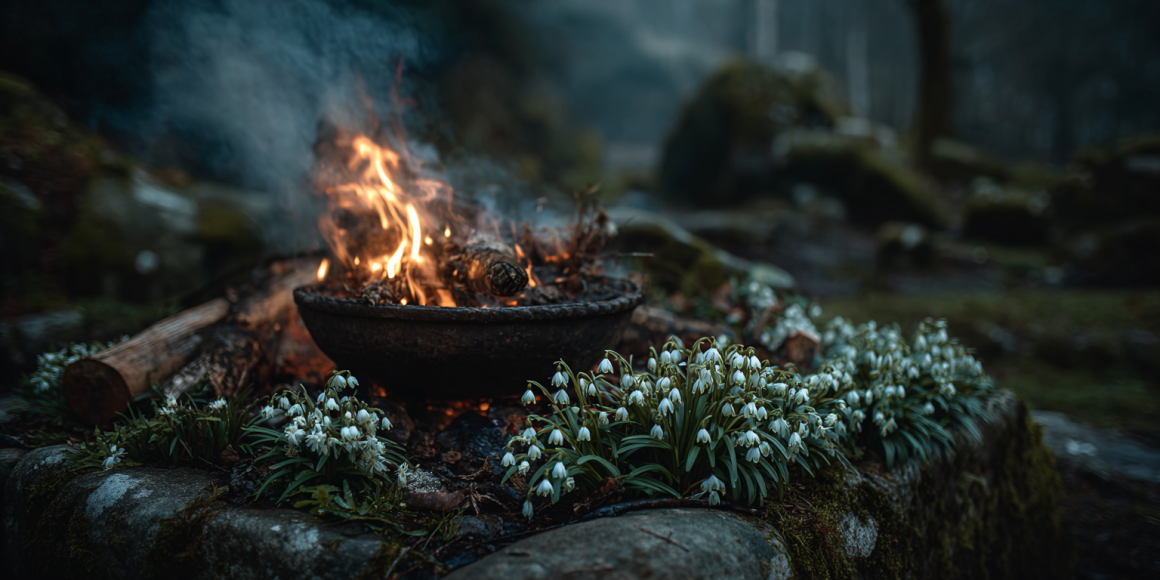
What it celebrates: Balance between day and night and the fertile promise of spring. At Ostara, the earth awakens with new life—flowers bloom and animals emerge from winter dormancy. The equinox represents equilibrium and rebirth.
Common practices:
- Planting seeds
- Decorating with eggs and flowers
- Nature walks and reflection
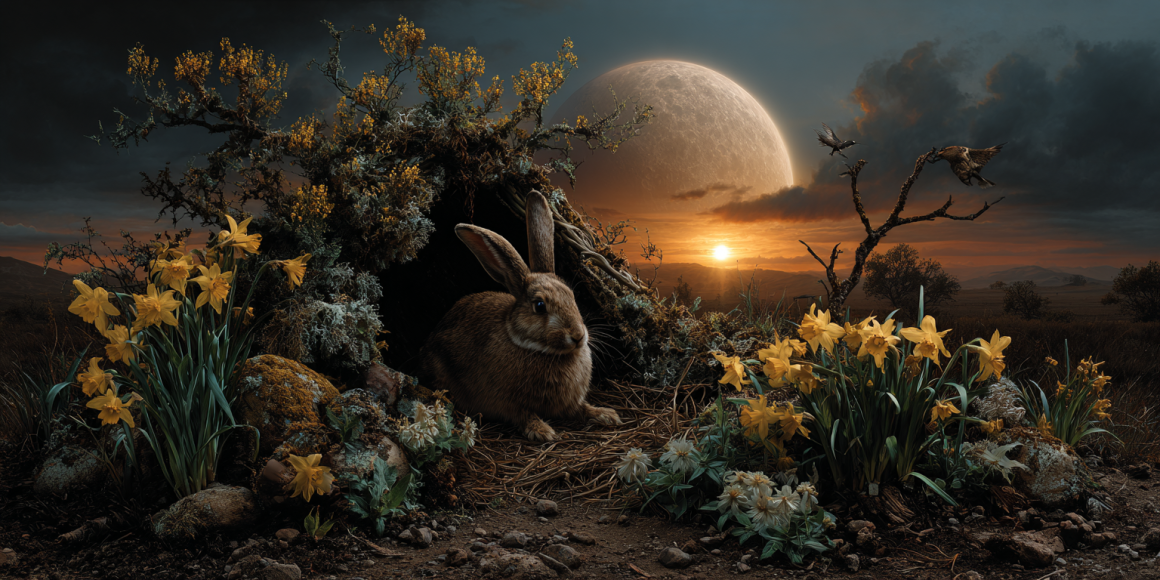
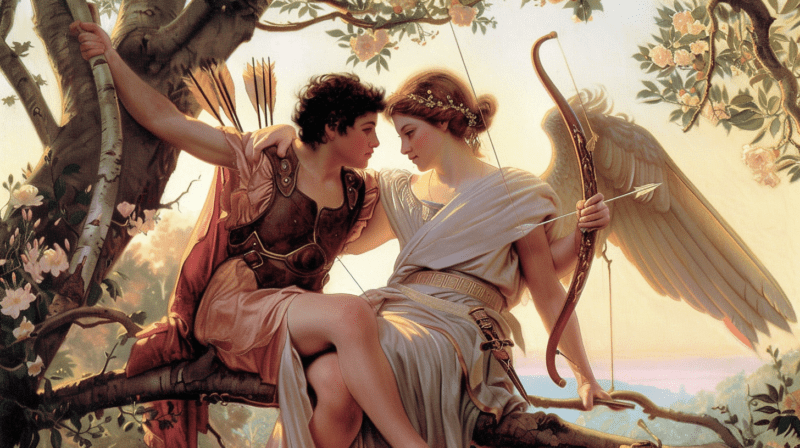
What it celebrates: Fertility, passion, fire, and the height of spring’s energy. Beltane’s roots are in ancient Celtic fire festivals celebrating the beginning of summer. It’s a joyful celebration of life’s potency and union.
Common practices:
- Dancing around a maypole
- Bonfires and fire rituals
- Handfasting (Pagan weddings)
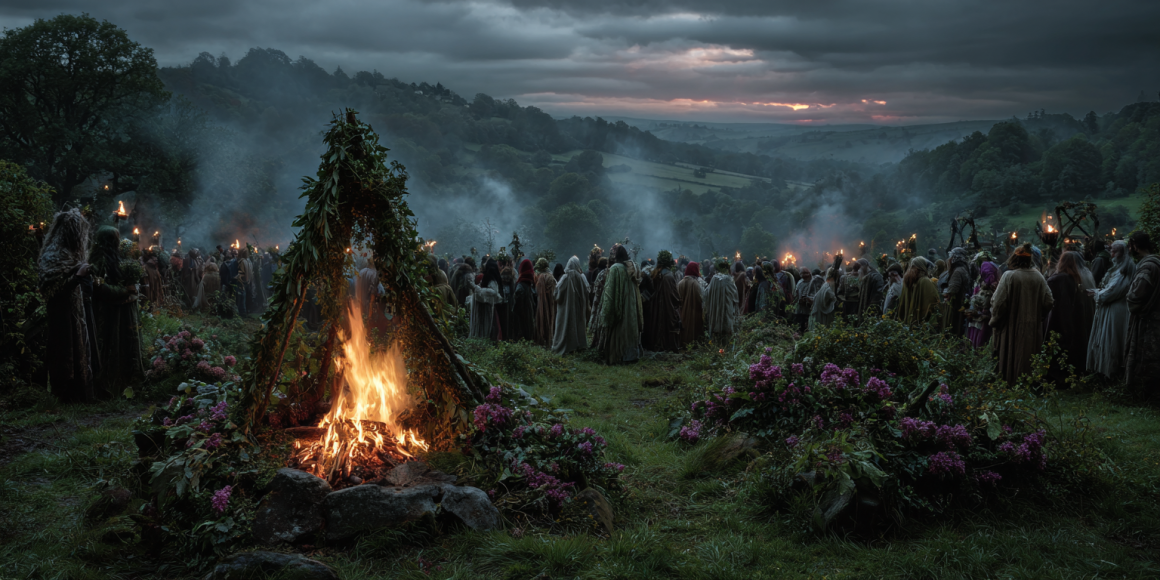
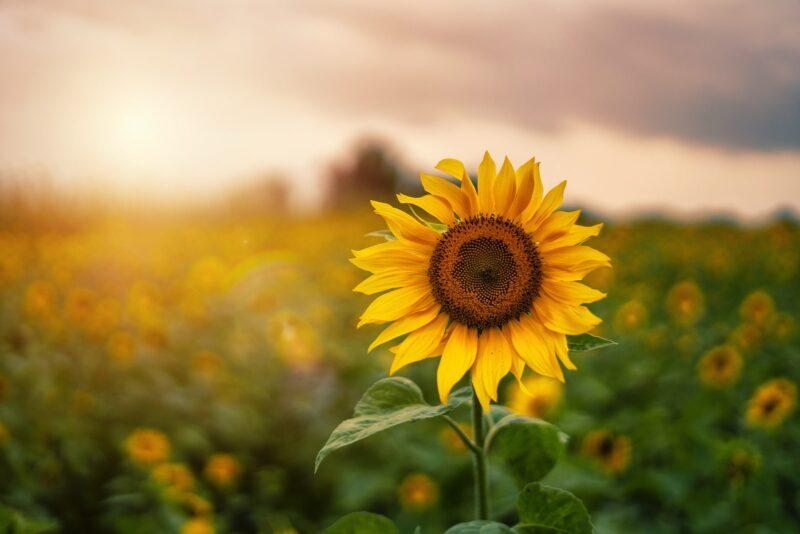
What it celebrates: It marks the zenith of the sun’s power and marks the longest day of the year. Litha is about abundance, strength, light, and connection to the sun. Pagans may celebrate with outdoor gatherings, sun rites, and gratitude for warmth and growth.
Common practices:
- Sun-blessing rituals
- Gathering herbs and flowers
- Outdoor feasts and music
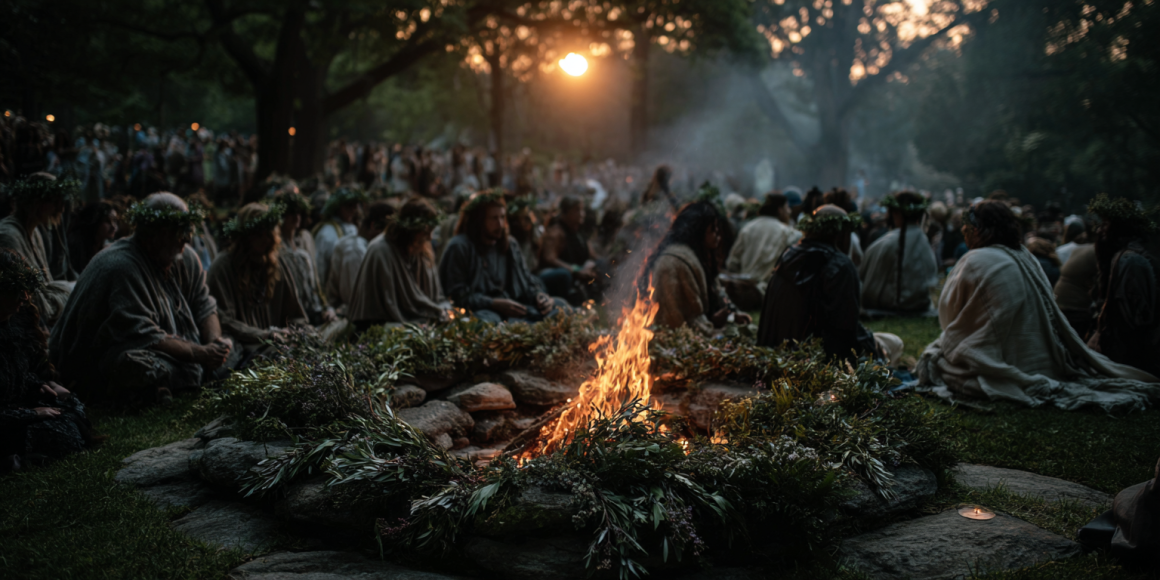
What it celebrates: First harvest and gratitude. Marking the beginning of the harvest season, Lughnasadh honors resourcefulness and the Celtic god Lugh. It’s a time to thank the Earth for abundance and prepare for the coming autumn.
Common practices:
- Baking bread from new grain
- Sharing harvest feasts
- Making corn dollies
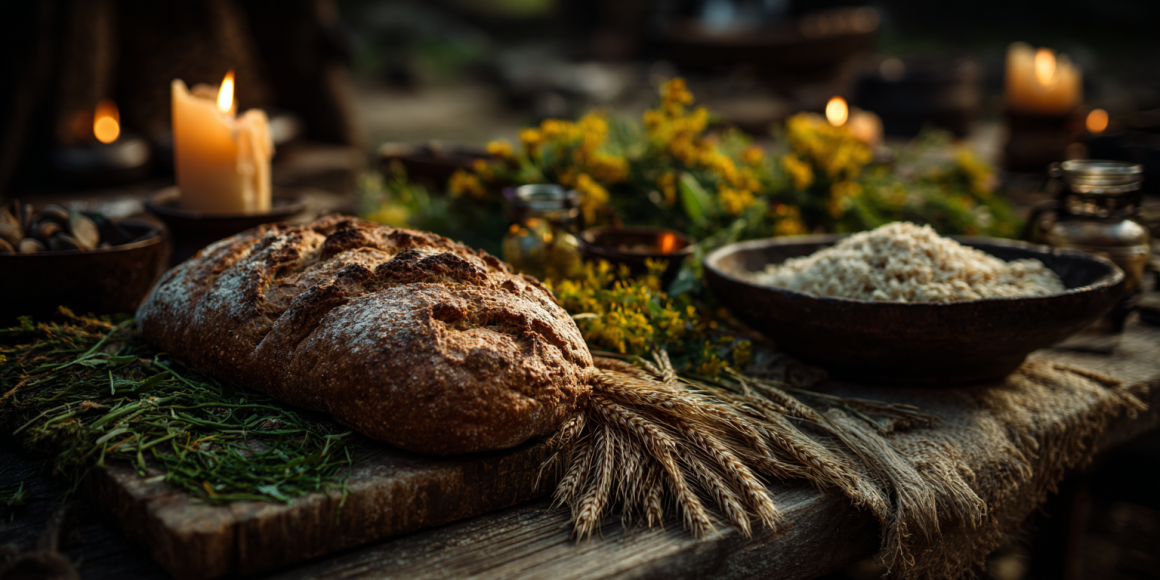
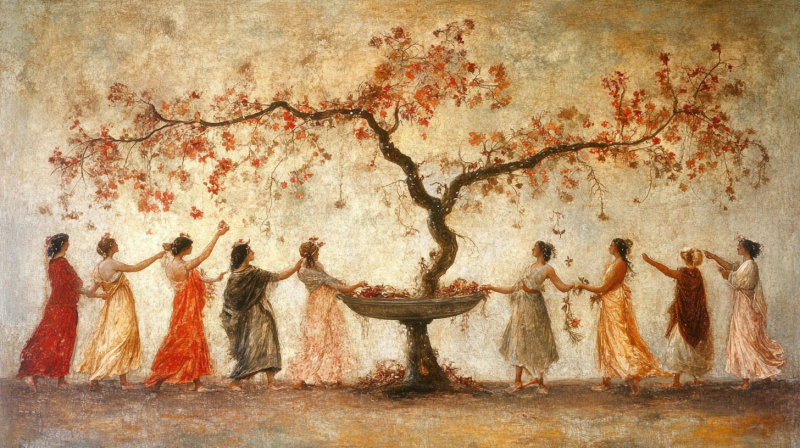
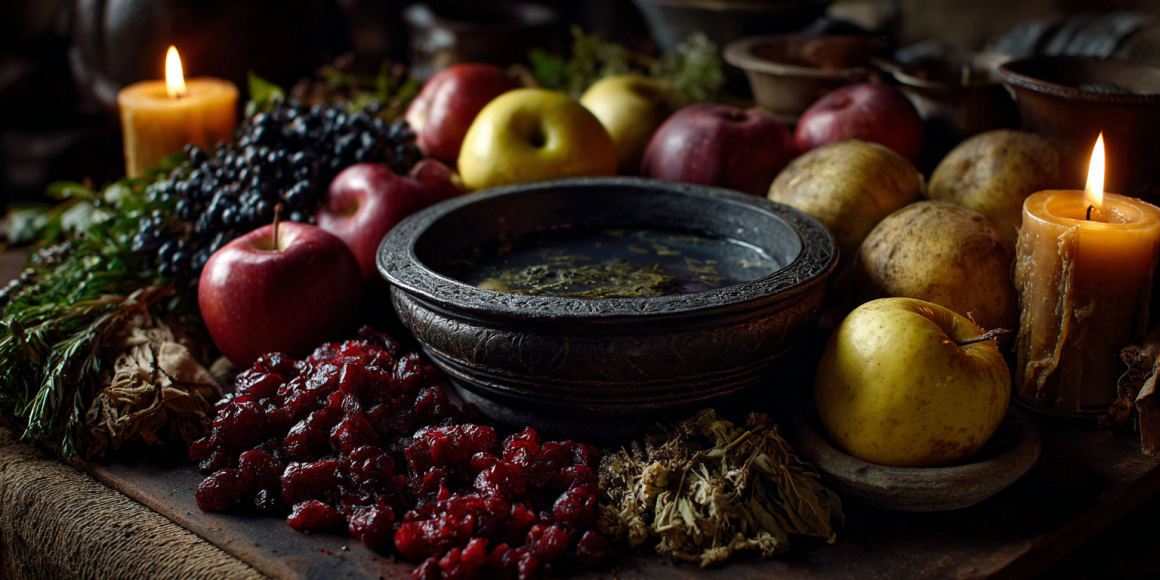
What it celebrates: Balance, gratitude, and the second harvest. Mabon marks the balance between day and night as daylight wanes. It honors completion, thanksgiving, and preparation for the coming dark months.
Common practices:
- Harvest feasting
- Offering gratitude to Earth
- Seasonal decorations
🌱 Why Do These Dates Matter?
Although many of these seasonal celebrations have deep roots in ancient Celtic, Germanic, and Norse traditions, the modern Wheel of the Year as practiced in Wicca and other Pagan paths was popularized in the mid-20th century, drawing on a blend of historical festivals and contemporary spiritual interpretation.
Pagans today may personalize their celebrations, blending traditional elements with modern spiritual practices—but the core theme remains the same: honoring the rhythms of nature, acknowledging the cycles of birth, growth, death, and rebirth, and aligning human life with the earth’s seasonal heartbeat.
📅 Pagan Holiday Calendar: Quick Reference
| Sabbat | Approximate Date | Key Theme |
|---|---|---|
| Samhain | Oct 31–Nov 1 | Ancestors & transition |
| Yule | Dec 20–23 | Rebirth & light |
| Imbolc | Feb 1–2 | Purification & spring |
| Ostara | Mar 20–21 | Balance & renewal |
| Beltane | May 1 | Fertility & fire |
| Litha | Jun 20–21 | Sun & abundance |
| Lughnasadh | Aug 1 | First harvest |
| Mabon | Sep 21–22 | Gratitude & balance |
Whether you’re a seasoned Pagan or simply curious, the Wheel of the Year offers a meaningful way to connect with seasonal change and the natural world. From honoring ancestors at Samhain to celebrating light at Litha, these holidays invite reflection, gratitude, and mindful living—all tuned to Earth’s ancient rhythms.
📚 Sources & Further Reading
- Pagan Grimoire — Wheel of the Year: The 8 Wiccan Sabbats (dates & meanings)
- Wiccan Gathering — Wiccan Holidays and Meanings
- Pagan Grimoire — Pagan Holidays & Seasonal Celebrations
- History Channel — The Wheel of the Year Explained
- USC Pagan/Wiccan Holy Days Calendar